
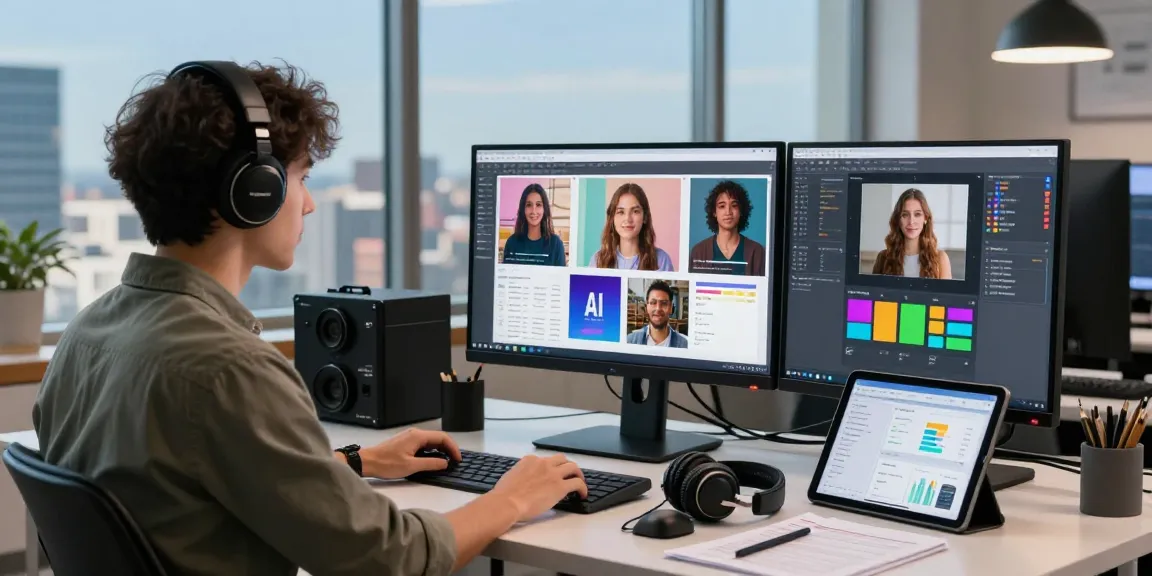
Understanding AI Image Detection
The rapid evolution of artificial intelligence (AI) has given rise to numerous technologies that can generate images indistinguishable from those captured by human eyes. In this environment, the need for reliable tools to discern AI-generated images from real ones has never been greater. An AI Image Detector serves as a vital resource for various industries, helping users navigate the complexities of digital imagery while ensuring authenticity and trustworthiness.
What is an AI Image Detector?
AI Image Detectors are specialized tools designed to identify images created by artificial intelligence algorithms. By analyzing patterns, pixel distributions, and inconsistencies typical of AI-generated graphics, these detectors provide an assessment of whether an image originated from an AI source or was created by a human artist or photographer. This technology is crucial for stakeholders across various sectors, including media, academia, online retail, and digital art.
The Evolution of AI Image Detection Technologies
The development of AI Image Detectors traces back to advancements in machine learning and computer vision. Early image detection relied on simple algorithms that could identify manipulated images based on metadata analysis. However, as AI image generation technologies improved—especially with the rise of generative adversarial networks (GANs)—the methods for detecting these images also evolved. Today, modern detectors employ sophisticated deep learning techniques and neural networks, allowing for quicker and more accurate assessments.
Common Use Cases for AI Image Detectors
AI Image Detectors serve various applications, including:
- Journalism: Ensuring the authenticity of images in news reporting to combat misinformation.
- Academia: Assisting researchers in validating the sources of images used in scholarly articles.
- Online Retail: Helping e-commerce platforms verify product images to maintain brand integrity.
- Digital Art: Allowing artists to authenticate their work amidst the rise of AI-generated visuals.
Key Features of Effective AI Image Detectors
How AI Image Detectors Work: A Technical Overview
The underlying technology of an AI Image Detector typically involves several key components. The primary mechanism involves training a model on a vast dataset of images—both AI-generated and human-created. Through supervised learning, the model learns to distinguish between the two by identifying specific markers and characteristics associated with each category.
Important Features to Look For
When evaluating an AI Image Detector, consider the following features:
- Accuracy: The ability to correctly classify images is paramount. Look for tools that offer high accuracy rates backed by peer-reviewed studies.
- Speed: In many scenarios, rapid assessments are critical. Effective detectors should provide results within seconds.
- Usability: A user-friendly interface can facilitate easy integration into existing workflows.
- Integration Capabilities: Consider whether the detector can be incorporated into broader software systems, enhancing its utility.
Comparative Analysis of Leading AI Image Detector Tools
Several tools stand at the forefront of AI image detection, each offering unique features:
- ZeroGPT: Known for its comprehensive analysis of images created by various AI models, making it a top choice for professionals.
- DeepAI: Offers a free platform that efficiently detects AI-generated images, deepfakes, and manipulated photos.
- Notegpt: Highly rated for its accuracy and speed, proving beneficial for journalists and content creators alike.
- Sightengine: Provides automated detection with a broad application scope, including social media and online marketing.
Challenges and Limitations
Common Myths About AI Image Detection
Misunderstandings about the capabilities of AI Image Detectors can be prevalent. One common myth is that these detectors are foolproof and can identify all AI-generated images without error. In reality, while these tools are powerful, they are not infallible, and their effectiveness can vary based on the image and the specific technology used.
Limitations of Current AI Image Detector Technologies
Some notable limitations of current technologies include:
- False Positives: AI Image Detectors may incorrectly classify genuine images as AI-generated.
- Adaptability: As AI generation techniques evolve, detectors must continuously adapt, necessitating regular updates.
- Dataset Bias: The training data may not represent all possible image types, leading to gaps in detection capabilities.
User Experience Challenges with AI Image Detectors
While many AI Image Detectors offer advanced functionalities, user experience issues can arise. Sometimes these tools can be overly complex, deterring users from utilizing them effectively. A lack of clear instructions or technical jargon can make it difficult for individuals without a technical background to interpret results and implement findings.
Best Practices for Using AI Image Detectors
Strategies for Accurate Image Detection
To enhance detection accuracy, users should:
- Keep Updated: Regularly update detector tools to access advancements in detection techniques.
- Combine Tools: Utilizing multiple detectors can provide a more comprehensive assessment of image authenticity.
- Verify Results: Cross-check findings with trusted sources or secondary methods to ensure reliability.
Integrating AI Image Detectors in Professional Workflows
For businesses and professionals, embedding AI Image Detectors into workflows can streamline processes. Consider:
- Training Staff: Equip team members with knowledge about how the tool functions and its best practices.
- Creating Protocols: Establish clear guidelines for when and how to use the detector for consistent application.
Real-World Case Studies of Successful Implementations
Numerous organizations have successfully integrated AI Image Detectors into their operations. For example, major news outlets have adopted these tools to authenticate images before publication, significantly reducing the potential spread of fake news. Similarly, e-commerce sites have employed image detectors to maintain brand integrity, ensuring product images are genuine and unaltered.
Future Trends in AI Image Detection
Emerging Technologies to Watch in 2026
The landscape of AI Image Detection is rapidly evolving, with several emerging technologies poised to enhance its capabilities. One area of growth includes advanced neural architectures that can learn from smaller datasets, improving adaptability and accuracy in real-time applications.
Predictions for the Evolution of AI Image Detectors
Experts predict that future AI Image Detectors will integrate seamlessly with other verification technologies, such as blockchain, to provide an immutable record of an image's authenticity. This would bolster trust both for creators and consumers alike.
Preparing for Changes in Media and Content Authenticity
As digital content continues to proliferate, understanding the implications of AI-generated imagery becomes increasingly crucial. Stakeholders across industries must prioritize the implementation of effective image detection strategies while remaining vigilant about the evolving technological landscape. As trust in media erodes in some circles, having reliable tools to authenticate images is vital for maintaining credibility.
What are AI Image Detectors used for?
AI Image Detectors are primarily used to validate the authenticity of digital images. They can be particularly beneficial in journalism, online retail, and creative industries where image integrity is paramount.
How accurate are AI Image Detectors?
The accuracy of AI Image Detectors can vary, with leading models achieving high accuracy rates. However, users should still approach findings critically and consider the limitations of the technology.
What should I look for in an AI Image Detector?
Key factors include accuracy, processing speed, ease of use, and integration capabilities with existing tools and platforms.
Can I trust AI Image Detectors completely?
No technology is entirely foolproof. While AI Image Detectors provide valuable insights, it is essential to corroborate findings with additional verification methods.
How do AI Image Detectors impact digital content creation?
AI Image Detectors can encourage higher standards in digital content creation by promoting authenticity and discouraging the use of manipulated images. This fosters trust between creators and their audiences, ultimately benefiting the industry as a whole.