
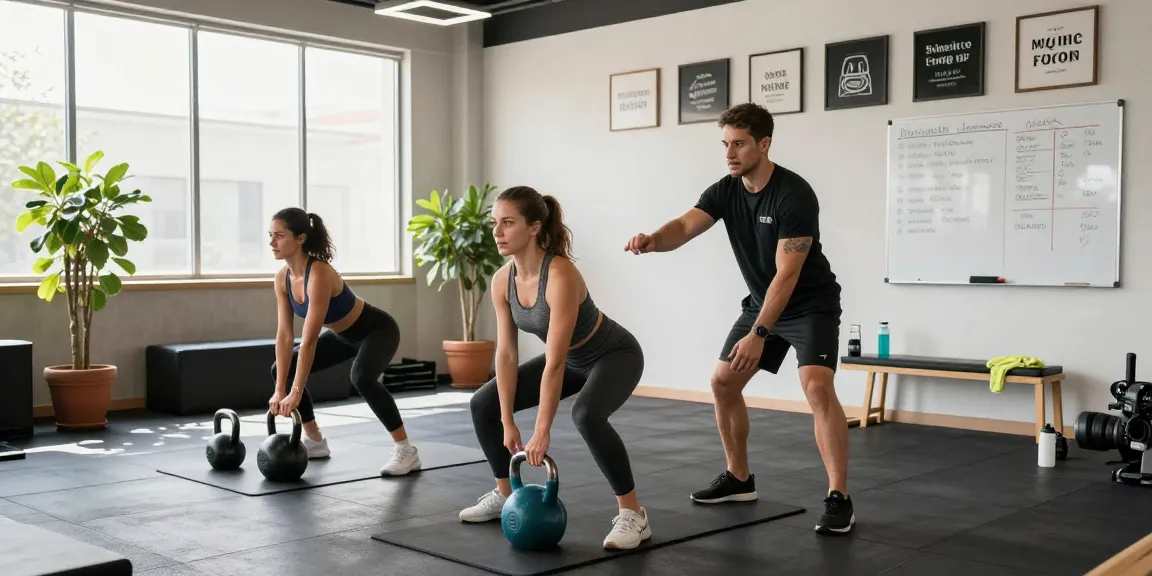
Understanding Kettlebell Training: A Comprehensive Overview
Kettlebell training has exploded in popularity over the past decade, captivating fitness enthusiasts with its versatility and effectiveness. This unique form of exercise combines strength training, cardiovascular conditioning, and flexibility, making it a favorite for those looking to maximize their workout efficiency. In this article, we will delve into the various facets of kettlebell training, exploring its benefits, essential exercises, and the best practices for creating a successful kettlebell workout plan. Furthermore, we will examine emerging trends and how technology is playing a role in the evolution of this training method as we look towards 2026. For a deeper dive into comprehensive fitness resources, miraviglp.com/5-amino-1mq offers an insightful perspective.
What is Kettlebell Training?
Kettlebell training utilizes a cast-iron or steel weight that resembles a cannonball with a handle. Originating from Russia, kettlebells were initially used for competition and strength training, but they have evolved into a mainstream workout tool seen in gyms worldwide. The unique shape of kettlebells allows for dynamic movements that engage multiple muscle groups simultaneously. This form of training can improve both aerobic and anaerobic fitness, making it an all-in-one solution for those seeking a comprehensive workout.
Benefits of Kettlebell Workouts
- Full-Body Conditioning: Kettlebell exercises are designed to work the entire body, incorporating both strength and cardiovascular training.
- Improved Strength and Power: The ballistic nature of kettlebell movements helps develop explosive strength, enhancing athletic performance.
- Increased Flexibility: Many kettlebell exercises promote mobility and flexibility, aiding in overall physical health.
- Time Efficiency: Kettlebell workouts can be intense and short, making them ideal for those with busy schedules.
- Caloric Burn: Engaging multiple muscle groups at once leads to an elevated heart rate, which can result in significant calorie expenditure.
Common Misconceptions about Kettlebell Training
Despite its benefits, kettlebell training is sometimes misunderstood. One common misconception is that kettlebell workouts are only for strong individuals or athletes. In reality, kettlebell exercises can be modified for any fitness level, from beginners to advanced practitioners. Another misconception is that kettlebells are only suitable for strength training. While they are excellent for building muscle, they can also be used for agility, endurance, and metabolic conditioning.
Mastering the Basics: Essential Kettlebell Exercises
Getting started with kettlebell training requires some foundational knowledge of essential exercises. Mastering these basic movements will prepare you for more complex routines and help prevent injuries.
Must-Do Kettlebell Exercises for Beginners
- Kettlebell Swing: A cornerstone of kettlebell training, this exercise targets the posterior chain, promoting power and endurance.
- Kettlebell Goblet Squat: This movement aids in improving squat mechanics while also engaging the core and upper body.
- Kettlebell Deadlift: A fundamental exercise that helps in building strength in the lower body and improving hip hinge mechanics.
- Kettlebell Press: This overhead movement develops shoulder strength and stability.
Intermediate Moves to Enhance Your Routine
Once comfortable with the basics, it's time to incorporate intermediate kettlebell exercises to further challenge your body. These include movements like the kettlebell snatch, Turkish get-up, and kettlebell clean and press. Each of these exercises adds layers of complexity, enhancing coordination and stability.
How to Safely Progress to Advanced Kettlebell Techniques
As you progress to advanced kettlebell techniques, focus on maintaining proper form and gradually increasing weight. Engaging in a structured program, possibly with a certified kettlebell instructor, can help ensure safety and efficacy. Advanced exercises can include the kettlebell windmill and double kettlebell front squat, which require exceptional balance and core strength.
Creating Your Kettlebell Workout Plan
Developing a personalized kettlebell workout plan is essential for achieving fitness goals. This segment will guide you through structuring your workouts effectively.
Tailoring Workouts to Meet Your Goals
Your kettlebell workout plan should reflect your personal fitness objectives, whether you aim for fat loss, strength gain, or overall fitness improvement. Start by assessing your current fitness level and identifying specific goals, then select exercises that align with these aims while ensuring a balanced approach to strength, cardio, and flexibility.
Sample Beginner and Advanced Kettlebell Workout Plans
- 5-minute warm-up (dynamic stretching)
- 3 sets of 10 kettlebell swings
- 3 sets of 8 goblet squats
- 3 sets of 6 kettlebell presses (each arm)
- 5-minute cool-down (static stretching)
- 5-minute warm-up (dynamic stretching)
- 4 sets of 15 kettlebell snatches (alternating arms)
- 4 sets of 10 Turkish get-ups (each side)
- 4 sets of 8 kettlebell cleans and presses (each arm)
- 5-minute cool-down (static stretching)
Incorporating Rest and Recovery into Your Routine
Rest and recovery are crucial to any training regimen, including kettlebell workouts. Allow your body time to heal and adapt by incorporating rest days into your weekly plan. Strategies such as foam rolling, light stretching, and active recovery workouts can facilitate this process, maximizing your kettlebell training results.
Measuring Success: Tracking Progress in Kettlebell Training
Tracking your progress is vital for motivation and making necessary adjustments. Use a journal or fitness app to log workouts, weights lifted, and general performance metrics.
Performance Metrics for Your Kettlebell Workouts
- Weight Progression: Regularly increase the weights you use as you gain strength.
- Repetition Increase: Track how many reps you can perform for each exercise over time.
- Time Efficiency: Notice improvements in completing your workouts faster.
- Form and Technique: Reflect on your form and any improvements you've made.
How to Stay Motivated and Set Achievable Goals
Setting realistic and achievable goals can significantly boost your motivation. Break larger goals into smaller milestones, celebrate achievements, and continuously seek new challenges in your kettlebell training. Engaging with a community or workout partner can also provide the support needed to stay committed.
Adjusting Your Training Based on Results
As you track your progress, be prepared to adjust your training routine. If you're plateauing or not seeing desired results, consider changing your workout routine, increasing your weights, or integrating new exercises. Staying adaptable ensures continued growth and maintains excitement in your kettlebell training journey.
Looking Ahead: Future Trends in Kettlebell Training
The world of fitness is ever-evolving, and kettlebell training is no exception. As we progress through 2026, several emerging trends are shaping how kettlebell workouts are approached.
Emerging Techniques and Equipment in 2026
New techniques and training methods are constantly being developed. For example, the combination of kettlebell training with high-intensity interval training (HIIT) is gaining traction, maximizing efficiency and effectiveness in workouts. Additionally, advancements in kettlebell design, such as adjustable weights, are making kettlebell training more accessible to a wider audience.
Incorporating Technology into Kettlebell Workouts
Fitness technology, including wearable devices and mobile apps, is becoming an integral part of kettlebell training. These tools can provide real-time feedback on performance, track progress, and offer tailored workout suggestions based on individual goals.
Expert Insights on the Evolution of Kettlebell Training
Industry experts emphasize the importance of proper form and technique in kettlebell training, which helps prevent injuries and maximize benefits. Continuous education and workshops are becoming more popular for trainers, ensuring they stay informed on the latest developments and best practices in kettlebell training.
What is Kettlebell Training's Role in Modern Fitness Trends?
Kettlebell training integrates seamlessly with contemporary fitness trends, from functional training to mindfulness-based workouts. It encourages a holistic approach that supports not only physical strength but also mental resilience, exemplifying the evolving nature of fitness in today's world.
How Can Kettlebell Training Benefit Specific Populations?
Research shows that kettlebell training is beneficial for various populations, including older adults and individuals recovering from injuries. Its adaptable nature allows for modifications that accommodate different fitness levels while promoting functional strength and mobility.