
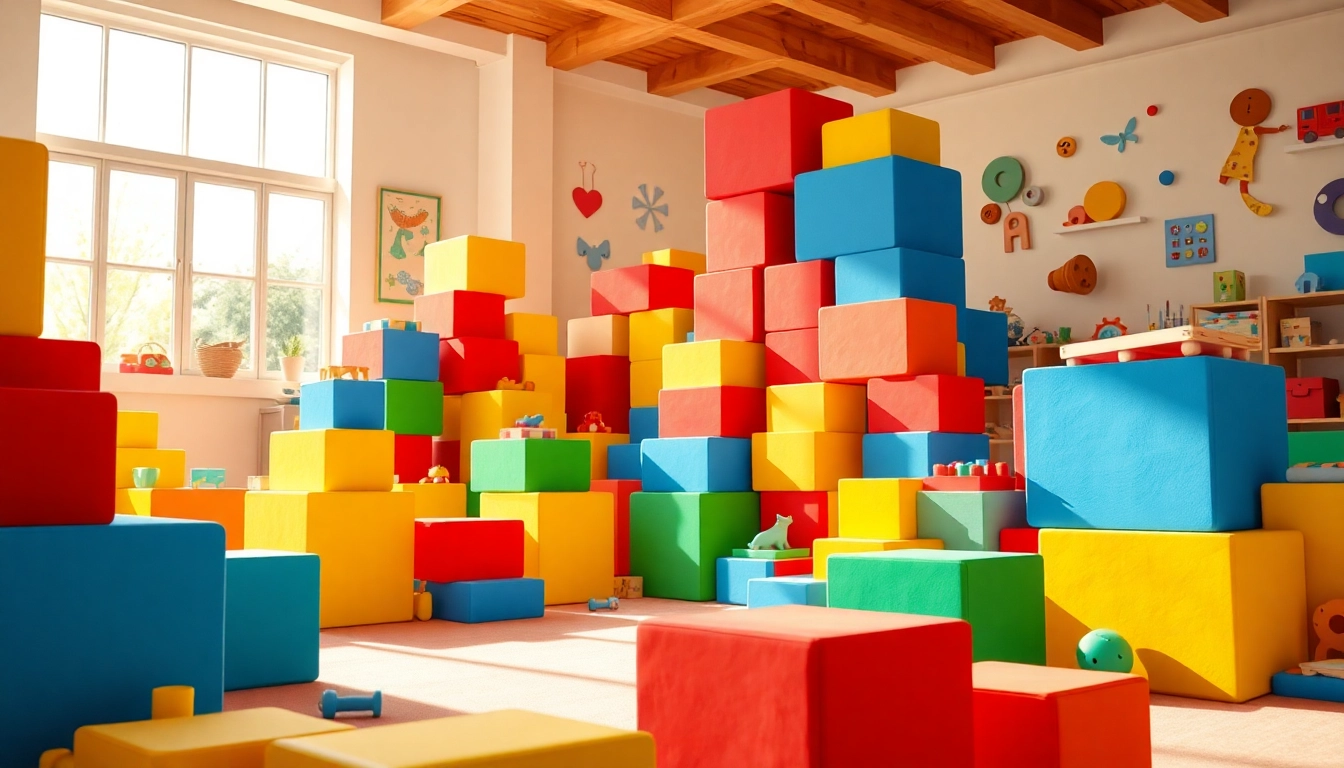
Understanding the Benefits of Giant Foam Blocks
Giant foam building blocks have become increasingly popular as playful tools for development in children. These soft blocks not only provide fun and entertainment, but they also offer numerous developmental benefits that cater to a child’s physical, cognitive, and creative development. Parents and educators looking to enrich playtime with educational and interactive experiences will find that exploring the full potential of these foam blocks is essential. For parents searching for options, be sure to get the details on how to choose the best sets available in the market today.
Physical Development Through Play
The tactile nature of giant foam blocks encourages various forms of physical activity. Children can lift, stack, throw, and tumble the blocks, which contributes to the development of gross motor skills. For younger children, these activities help improve coordination and balance as they learn to navigate their surroundings while engaging with the blocks. Furthermore, the soft material minimizes the risk of injury, allowing kids to explore their physical abilities fearlessly.
Parents can create versatile play environments that promote physical engagement. For instance, encouraging kids to build tall towers helps them develop strength while simultaneously honing their spatial awareness. This playful interaction not only bolsters physical skills but also contributes to a healthier lifestyle by encouraging active play.
Cognitive Skills Enhancement
Giant foam blocks serve as effective educational tools that positively impact children's cognitive skills. For instance, kids learn about cause and effect as they experiment with how high they can stack blocks before they tumble. This trial and error process fosters critical thinking and problem-solving abilities, which are essential cognitive skills.
Moreover, children begin to understand basic mathematical concepts, such as counting and sorting, through play with foam blocks. Parents can facilitate learning by incorporating language elements—asking children to identify colors, shapes, and sizes as they play. This not only makes playtime educational but also encourages verbal skills as kids articulate their experiences.
Creative Imagination and Role-Play
Encouraging imaginative play is one of the most significant benefits of using foam blocks. Children naturally engage in role-play; they might create houses, cars, or castles, and in doing so, they learn to express themselves creatively. This imaginative play is crucial for social-emotional development as it allows children to process their feelings and experiences in a safe environment. Parents can enhance this experience by joining in on the fun and introducing scenarios, characters, or challenges, enriching the narrative thread of play.
Choosing the Right Foam Building Blocks
Material Safety and Durability
When selecting foam building blocks, safety is paramount. Parents should always check for non-toxic materials and suitable certifications to ensure that the blocks are made from safe substances. High-density EVA foam is a popular choice due to its durability, softness, and ease of cleaning. Blocks made from high-quality materials can withstand frequent use while remaining free from harmful chemicals.
Size Considerations for Different Age Groups
The size of foam blocks significantly impacts playability for different age groups. Younger children, particularly toddlers, benefit from blocks that are larger and lighter. These are easier for small hands to manipulate, fostering independence as they learn to build. Meanwhile, older children might prefer a variety of sizes and shapes to explore more complex configurations. Parents should choose sets that cater to their child's specific age group, considering not just safety but also developmental challenges.
Color and Design Options
Brightly colored foam blocks are not only visually appealing but also improve children's engagement during play. The vibrant hues can stimulate sensory development and learning. Blocks that come in varied shapes—cubes, cylinders, and triangles—give children the freedom to express their creativity in building while introducing fundamental geometric concepts. Furthermore, customizable designs can provide an outlet for even greater imagination and personalized play experiences.
Creative Play Ideas with Foam Blocks
Building Structures and Obstacles
Creating structures or obstacle courses with foam blocks is a fantastic way for children to develop their engineering skills. Whether they are building an impressive tower or designing a bridge, the process teaches them about stability and balance. Parents can incorporate challenges, like encouraging kids to build a structure that can withstand a light breeze or a soft “earthquake” at playtime. This type of problem-solving encourages a mindset geared towards resilience and innovation.
Interactive Games and Team Challenges
Foam blocks lend themselves well to group play. Setting up team challenges not only enhances cooperative skills but also fosters a spirit of collaboration. Activities like relay races or construction contests allow children to strategize, communicate, and work together towards a common goal. These social skills gained during cooperative play are invaluable in preparing children for future interactions in schooling and beyond.
Integrating Learning Activities
Learning activities can seamlessly integrate with playtime when using foam blocks. For instance, teachers can encourage students to create specific structures while assigning each block a corresponding number or letter, turning play into educational opportunities. Parents can use themed challenges, like building a specific landmark or object that corresponds with a current lesson, significantly enhancing the educational value of foam block play.
Best Practices for Indoor Play with Foam Blocks
Setting Up a Safe Play Environment
To maximize the benefits of foam block play, ensuring a safe play environment is essential. This includes selecting a spacious area where kids can play freely without the risk of bumping into furniture or damaging delicate items. Always supervise young children during play, and remove any obstacles that might lead to accidents. Designating a specific indoor space for foam block play can help reinforce the idea of a safe play zone.
Supervision and Engagement Strategies
Active supervision plays a critical role in children’s play with foam blocks. Engaging with children during their playtime not only fosters a stronger bond but allows parents to guide and inspire creativity. Suggesting different construction ideas, providing encouragement, or even joining in on the building process can enhance the experience significantly. This shared time can also become a social learning opportunity, allowing kids to learn from observing adults in playful settings.
Encouraging Cooperative Play
Cooperative play is vital for young children, and foam blocks are perfect for this type of interaction. Parents can organize small group playdates where children can collaborate on projects, share resources, and negotiate ideas. This could take the form of a group challenge, where kids work together to build a designated structure, fostering teamwork while simultaneously developing social skills. Providing ample space and guidance can help create a supportive atmosphere for cooperative play.
FAQs about Giant Foam Building Blocks
What age group is suitable for foam building blocks?
Foam building blocks are typically suitable for children ages 1 and up, as they are soft and safe for all ages.
How do I clean foam blocks effectively?
Use a damp cloth with mild soap to wipe down the blocks. Ensure they are air-dried fully before storage.
Can foam blocks be used outdoors?
While they can be used outdoors, it’s best to keep them in dry, shaded areas to maintain their quality and avoid moisture damage.
Are foam blocks eco-friendly?
Many foam blocks are made from non-toxic materials, but it's best to check the packaging for specific eco-friendly certifications.
How can I store foam blocks when not in use?
Store them in a dedicated bin or on a shelf to minimize clutter and keep them clean.