
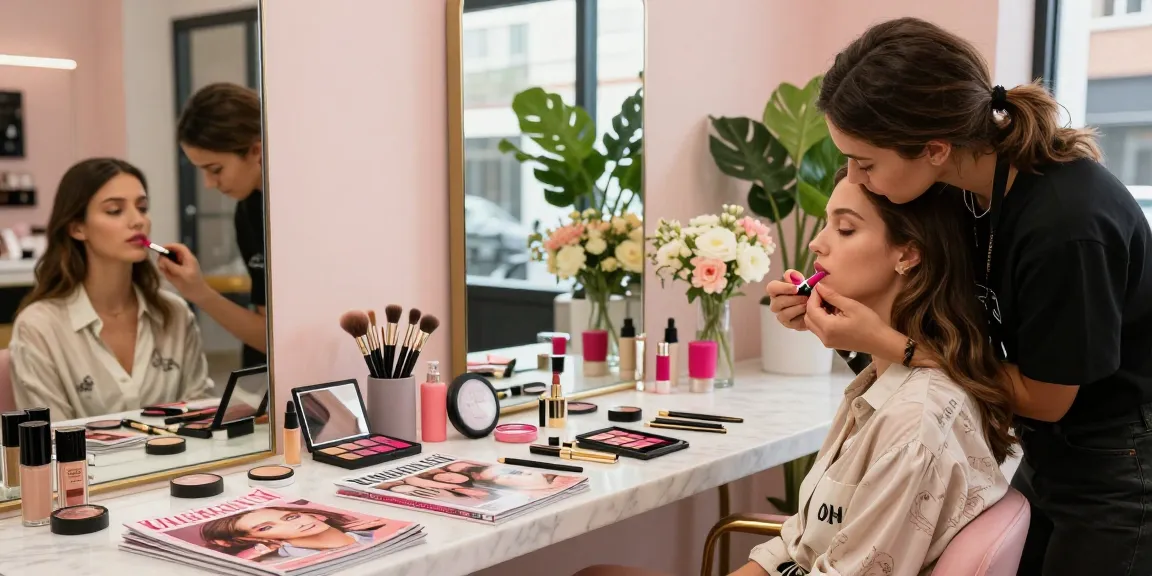
Understanding the Beauty Industry Landscape in 2026
The beauty industry is evolving rapidly, driven by innovation and changing consumer preferences. As of 2026, trends indicate a booming market filled with opportunities for new and established brands alike. To navigate this dynamic landscape, it is crucial to understand the current trends, key demographics, and the technological advancements shaping beauty marketing. The insights provided in this article will help beauty entrepreneurs better position their brands for success in an increasingly competitive market. For comprehensive strategies and insights, 777 serves as an invaluable resource.
Current Trends and Innovations in Cosmetics
The beauty industry is witnessing several notable trends that are influencing consumer behavior and product development. Among the most significant is the rise of clean and natural beauty products, as consumers become more conscious of the ingredients in their cosmetics. This trend has paved the way for brands to formulate products that are not only effective but also environmentally friendly.
- Personalization: Consumers are increasingly seeking products tailored to their individual needs, leading to a surge in customized skincare regimens and makeup options.
- Technological Integration: Brands are leveraging augmented reality (AR) and artificial intelligence (AI) to enhance the shopping experience. Virtual try-ons and personalized recommendations are becoming common.
- Sustainable Packaging: Eco-conscious consumers prefer brands that offer sustainable packaging solutions, driving innovation in materials and designs.
Key Demographics of Beauty Consumers
Understanding the demographics of beauty consumers is essential for brands aiming to tailor their products and marketing strategies effectively. In 2026, the primary consumer segments include:
- Gen Z: This generation prioritizes individuality and diversity, often favoring brands that resonate with their values, such as inclusivity and social responsibility.
- Millennials: As a tech-savvy group, they are drawn to online shopping and often rely on social media for product recommendations.
- Baby Boomers: This demographic focuses on quality and effectiveness, seeking products that enhance their natural beauty and address concerns related to aging.
Role of Technology in Beauty Marketing
Technology plays a pivotal role in how beauty brands communicate and engage with their audiences. Social media platforms, digital advertising, and influencer collaborations have transformed traditional beauty marketing strategies. Brands are now using data analytics to understand consumer behavior and preferences, allowing for targeted advertising campaigns that yield higher conversion rates. Furthermore, the integration of e-commerce and social media (social commerce) allows consumers to shop directly through platforms like Instagram and TikTok, simplifying the purchasing process.
Essential 777 Strategies for Building a Beauty Brand
Establishing a successful beauty brand requires a strategic approach to building brand identity, engaging with consumers, and navigating the competitive landscape. Implementing the following strategies can enhance brand visibility and foster consumer loyalty.
Brand Identity Development in the Beauty Market
Creating a strong brand identity is critical for standing out in the crowded beauty market. Brands should focus on the following elements:
- Unique Value Proposition (UVP): Clearly articulate what sets your brand apart from competitors. This could be product formulation, ethical practices, or a focus on specific consumer needs.
- Visual Identity: Develop a cohesive visual style, including logo, packaging, and color schemes that resonate with your target demographic.
- Brand Story: Share the story behind your brand, including its mission and values, to create an emotional connection with consumers.
Effective Social Media Campaigns for Beauty Brands
Social media is a powerful tool for beauty brands to engage with consumers and promote their products. Successful campaigns often include:
- Authentic Content: Showcase real customers using your products, as authenticity resonates well with modern consumers.
- Interactive Elements: Incorporate polls, quizzes, and user-generated content into campaigns to foster engagement and community.
- Influencer Collaborations: Partner with relevant influencers whose audience aligns with your brand to gain exposure and credibility.
Leveraging Influencer Partnerships for Growth
Influencer partnerships can significantly impact brand growth in the beauty sector. Key strategies include:
- Selecting the Right Influencers: Choose influencers whose values align with your brand and who have genuine engagement with their audience.
- Co-Creation: Collaborate with influencers on product development or limited-edition launches to create buzz and tap into their audience.
- Tracking Performance: Monitor campaign metrics to understand the return on investment and optimize future partnerships.
Best Practices for Product Launches in the Beauty Sector
Launching a new beauty product requires careful planning and execution. Here are best practices to ensure a successful launch:
Market Research and Consumer Feedback Analysis
Before launching a product, conduct thorough market research to gauge consumer interest and preferences. Utilizing surveys, focus groups, and social listening can provide valuable insights into potential gaps in the market.
Creating Buzz Before Your Launch
Generating excitement ahead of your product launch is crucial. Consider the following tactics:
- Teaser Campaigns: Use social media to tease product features or ingredients to build anticipation.
- Sampling Programs: Offer samples to influencers or loyal customers to create word-of-mouth buzz.
- Exclusive Pre-Orders: Allow select customers to pre-order the product, creating a sense of exclusivity.
Post-Launch Strategies for Sustained Interest
After the launch, maintain consumer interest through continuous engagement. Consider:
- Content Marketing: Create tutorials, reviews, and behind-the-scenes content to highlight product features and benefits.
- Customer Feedback: Encourage reviews and feedback to improve future product iterations and strengthen consumer relationships.
- Loyalty Programs: Implement loyalty programs to reward repeat customers, fostering brand loyalty and retention.
Overcoming Common Challenges in Beauty Entrepreneurship
Entrepreneurs in the beauty industry face various challenges, from financial constraints to regulatory hurdles. Addressing these issues proactively can pave the way for success.
Financial Management for Beauty Startups
Effective financial management is crucial for startups to maintain cash flow and profitability. Consider the following strategies:
- Budgeting: Create a detailed budget that accounts for all operational costs, including manufacturing, marketing, and distribution.
- Funding Options: Explore various funding sources, such as angel investors, crowdfunding, and small business loans.
Adapting to Changing Consumer Preferences
Consumer preferences can shift rapidly in the beauty industry, making adaptability essential. Stay informed about market trends and be willing to pivot your offerings as needed.
Compliance and Regulations in the Beauty Industry
Understanding compliance and regulatory requirements is vital for any beauty brand. Ensure your products meet safety standards and labeling requirements in your target markets to avoid legal issues.
Future Trends Shaping the Beauty Landscape Beyond 2026
As we look beyond 2026, several trends are poised to reshape the beauty industry, offering new opportunities and challenges for brands.
Sustainability Practices and Eco-Friendly Products
The demand for sustainable beauty products will continue to grow. Brands that prioritize eco-friendly formulations, ethical sourcing, and sustainable packaging will resonate with environmentally conscious consumers.
Personalization in Beauty Experiences
Personalization is expected to become even more prevalent. Brands that utilize AI and data analytics to provide tailored product recommendations and experiences will likely gain a competitive edge.
Innovations in Skincare and Makeup Technologies
Technological advancements in skincare, such as smart skincare devices and AI-driven formulations, will enhance the consumer experience, providing targeted solutions for individual skin concerns.
What are the latest beauty trends for 2026?
As detailed earlier, key trends include sustainability, personalization, and technological integration. Brands must stay ahead by continuously innovating and adapting to these trends.
How to effectively market beauty products?
Effective marketing strategies involve understanding your target audience, leveraging social media, and engaging with influencers. Brands should focus on authentic storytelling and create interactive campaigns to connect with consumers.
What challenges do beauty brands face today?
Beauty brands face challenges such as intense competition, changing consumer preferences, and regulatory compliance. Proactive management and a strong brand identity can help mitigate these challenges.
How is technology influencing the beauty industry?
Technology is revolutionizing the beauty industry through enhanced shopping experiences, improved product formulations, and innovative marketing strategies. Brands leveraging technology effectively will thrive in this dynamic environment.
What are sustainable practices in beauty?
Sustainable practices in beauty include using eco-friendly ingredients, reducing packaging waste, and supporting ethical sourcing. For more information, pg slot offers valuable insights. Brands that prioritize sustainability will appeal to the growing segment of eco-conscious consumers.