
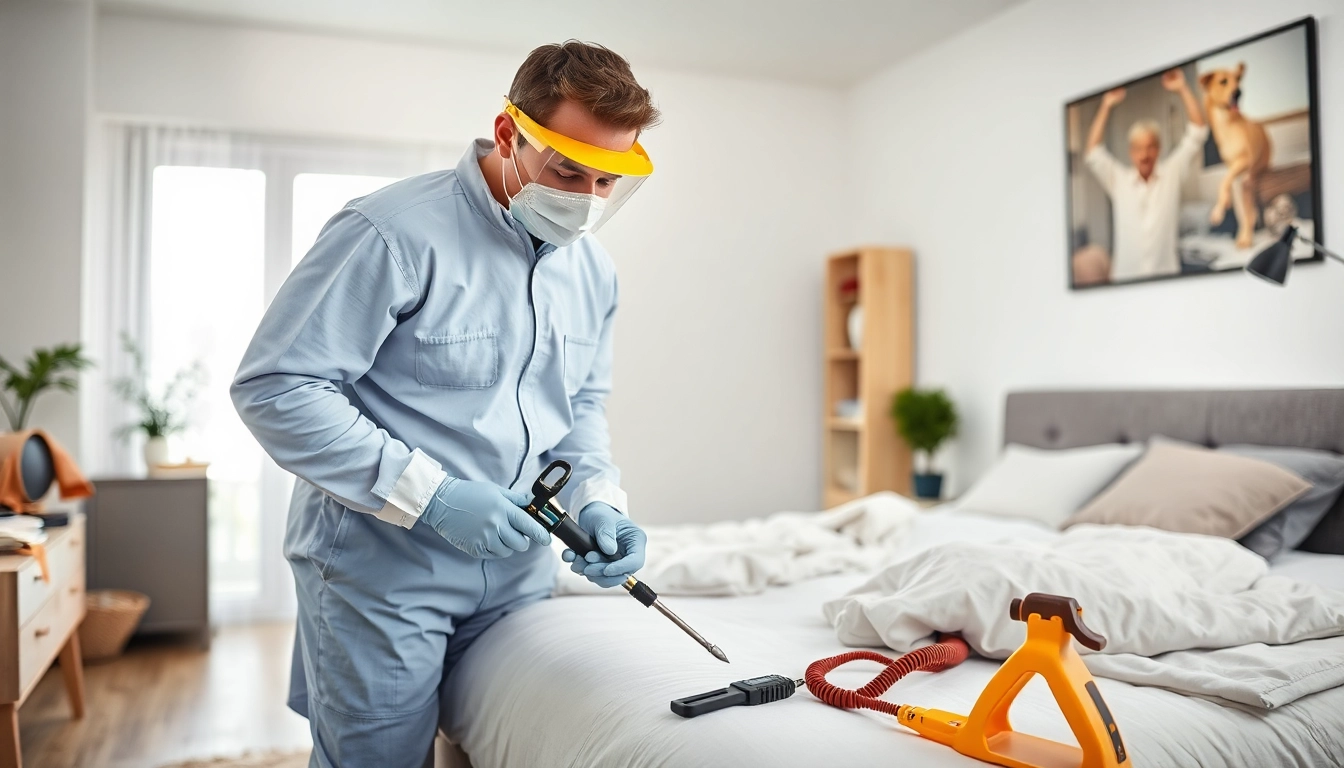
Understanding Bed Bugs: An Overview
What Are Bed Bugs?
Bed bugs, scientifically known as Cimex lectularius, are tiny, wingless insects that feed on the blood of humans and animals. Typically measuring about 5 to 7 millimeters in length, they have flat, oval bodies that allow them to hide easily in various crevices and seams of bedding, furniture, and flooring. These pests are nocturnal, often coming out at night to feed on their unsuspecting victims. Their secretive nature and rapid reproduction make them a nuisance in households, hotels, and other establishments.
Common Signs of Infestation
Identifying a bed bug infestation early is critical for effective pest control. Common signs include:
- Bite Marks: Red, itchy welts on the skin, usually located on exposed areas such as arms and shoulders.
- Blood Stains: Small, dark spots on bed linens or mattresses, often the result of crushed bed bugs.
- Fecal Spots: Dark brown or black spots, typically found near hiding places.
- Eggs and Shed Skins: Tiny, white eggs and molted skins can be found in areas where bed bugs hide.
- Musty Odor: A sweet, sickly scent emanating from larger infestations.
The Impact of Bed Bugs on Health
While bed bugs are not known to transmit diseases, their bites can cause severe allergic reactions and emotional distress due to the discomfort and stress associated with infestations. Prolonged exposure can lead to insomnia and anxiety, negatively impacting mental health. Recognizing the health implications, along with the practical nuisance they create, underlines the importance of prompt bed bug pest control measures.
Effective Bed Bug Pest Control Techniques
Integrated Pest Management Approaches
Integrated Pest Management (IPM) is a comprehensive approach that emphasizes balance between pest control methods. The IPM process involves:
- Monitoring: Regular inspections to identify bed bugs and assess the extent of the infestation.
- Identification: Correctly identifying bed bugs and distinguishing them from similar-looking pests.
- Prevention: Modifying the environment and practicing good housekeeping.
- Treatment: Utilizing a combination of chemical and non-chemical methods to eliminate bed bugs.
Physical and Chemical Control Methods
Control methods can be categorized into physical and chemical strategies:
Physical Methods
These include heat treatment, vacuuming, steam cleaning, and mattress encasements. Heat treatment is particularly effective, as bed bugs can be exterminated at temperatures above 113°F (45°C). Vacuuming helps to remove bugs and eggs from surfaces, while steam can penetrate fabrics to kill the pests.
Chemical Methods
Chemical controls often involve the use of insecticides. Pyrethroids and neonicotinoids are commonly used, as they are effective in disrupting the nervous systems of bed bugs. It’s vital to follow manufacturer guidelines and consider the safety of non-target species in the home.
DIY Bed Bug Pest Control Solutions
Homeowners may consider various DIY strategies as temporary measures. These include:
- Heat Treatments: Infested items can be placed in a dryer on high heat for 30 minutes.
- Freezing: Items can be placed in a freezer at 0°F (-18°C) for at least four days.
- Diatomaceous Earth: This natural powder can be sprinkled in areas where bed bugs hide, causing dehydration.
- Essential Oils: Some essential oils, such as tea tree and lavender oil, are reported to deter bed bugs, though their efficacy varies.
Preventing Bed Bug Infestations
Best Practices for Home Maintenance
Preventive measures are crucial in stopping bed bugs before they enter your home. Consider these tips:
- Declutter: Reducing clutter around the home limits hiding spots for bed bugs.
- Regular Inspections: Routinely check beds, upholstery, and carpets for signs of bed bugs.
- Seal Cracks: Caulk any cracks in walls and flooring to eliminate potential entry points.
- Avoid Second-Hand Furniture: Inspect any second-hand items thoroughly before bringing them into your home.
Travel Tips to Avoid Bed Bugs
Many bed bug infestations originate from travel. Here are some preventive travel tips:
- Inspect Hotels: Check for bed bug signs in hotels, including the mattress seams and headboards.
- Keep Luggage Elevated: Use luggage racks instead of placing bags on the bed or floor.
- Launder Clothes: After returning home, wash clothes in hot water regardless of whether they were worn or not.
- Seal Luggage: Use airtight bags for packing to reduce the risk of transporting bugs.
Identification and Monitoring Techniques
Effective identification and monitoring help mitigate bed bug infestations:
- Bed Bug Traps: These traps can be placed around beds and other furniture to capture bed bugs for monitoring.
- Canine Inspections: Trained dogs can detect bed bugs through their keen sense of smell, often identifying hidden infestations.
- Regular Monitoring: Consistently checking for signs of bed bugs helps in early detection and management.
Cost Considerations for Bed Bug Pest Control
Average Costs for Professional Treatment
Understanding the costs associated with bed bug pest control will help you budget accordingly. Professional treatments can vary widely, with average costs ranging from $300 to $2,000, depending on the severity of the infestation, the size of the area, and the treatment method used. Heat treatment generally incurs higher costs but can be more effective in reducing the bug lifecycle.
Budget-Friendly Prevention Options
Preventive measures often require an initial investment but can save significant costs in the long run. Options include acquiring protective mattress encasements, using diatomaceous earth, and maintaining a clean home environment. Such steps are relatively inexpensive and can drastically reduce the risk of an infestation while enhancing your home’s hygiene.
Understanding Treatment Packages
Many pest control services offer treatment packages that range from basic to extensive plans. Basic packages may involve one-time treatments, while more comprehensive services include follow-ups and monitoring. Understanding what each package entails is important to ensure effective eradication and long-term prevention.
FAQs About Bed Bug Pest Control
What is the best pest control method for bed bugs?
The most effective method includes a combination of vacuuming, clutter removal, and professional treatments. Heat and cold applications also yield significant results.
How long does bed bug pest control take?
Most pest control treatments take several hours, but full eradication may require multiple treatments and follow-ups over weeks.
Are bed bug treatments safe for pets?
Most chemical treatments are safe for pets when they are removed during application. Always check with your pest control service for specifics on safety.
Can I handle a bed bug infestation myself?
Yes, but severe infestations typically require professional intervention. DIY methods can assist, but thoroughness is essential.
What are the signs of a successful bed bug pest control treatment?
Indicators of successful treatment include reduced bites, no visible bed bugs, and absence of eggs or droppings.