What is Roof Cleaning?
Definition of Roof Cleaning
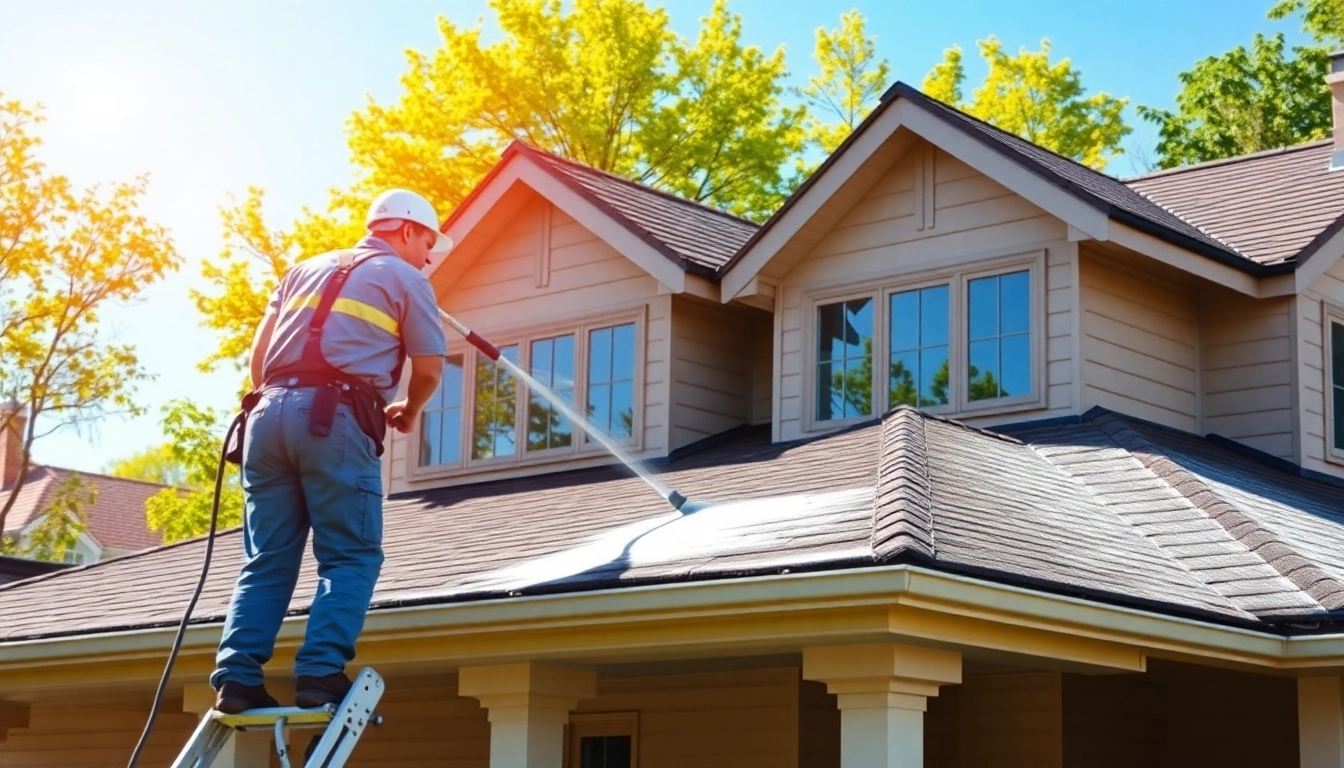
Roof cleaning is the process of removing dirt, debris, algae, moss, and other contaminants from the roof of a building. This maintenance task aims to restore the roof's appearance and protect the underlying materials from damage caused by prolonged exposure to harmful elements. Roof cleaning can be performed using various methods, including soft washing, pressure washing, and chemical treatments, each designed to cater to specific roofing materials and conditions.
Importance of Roof Cleaning
Regular roof cleaning is essential for several reasons. Firstly, it prolongs the life of the roof, as accumulated debris and organic growth can lead to structural damage and increased deterioration. Secondly, maintaining a clean roof enhances the overall aesthetic of a property, improving curb appeal and potentially increasing property value. Lastly, roof cleaning can prevent costly repairs by addressing issues like leaks that may arise from organic build-up.
Common Roof Cleaning Techniques
Various techniques are employed for roof cleaning, and the choice often depends on the roof’s material and condition. The most common methods include:
- Soft Washing: This method uses low-pressure water along with environmentally friendly cleaning solutions to safely remove dirt and stains without damaging the roof.
- Pressure Washing: Designed for tough stains and build-up, pressure washing utilizes high-pressure water jets, but it requires caution as it can cause damage to delicate roofing materials.
- Chemical Treatments: Applying specific chemicals can effectively eliminate mold, algae, and mildew, especially on asphalt shingles or metal roofs.
Benefits of Regular Roof Cleaning
Enhancing Longevity of Your Roof
Regular maintenance through roof cleaning significantly enhances the longevity of roofing materials. Preventing the growth of moss and algae helps to prolong the durability of shingles and underlayment. With timely interventions, property owners can avoid premature deterioration and the associated high repair costs.
Improving Curb Appeal
A clean roof is a key factor in the overall appearance of a home. Algae stains and debris can make a roof look neglected, lowering the property’s curb appeal. Regular cleaning ensures that your home remains visually appealing and inviting, which is particularly important if you’re planning to sell.
Preventing Costly Repairs
Neglecting roof cleaning can lead to significant damage over time, including leaks and structural issues that require expensive repairs. By keeping the roof clean and clear of debris, homeowners can identify problems early, thereby reducing the likelihood of major repair expenses.
Best Practices for Roof Cleaning
Choosing the Right Cleaning Method
Identifying the appropriate cleaning method is crucial. Soft washing is typically recommended for asphalt shingles and tile roofs, while pressure washing can be used for sturdier surfaces such as metal roofs. Always assess the condition and material of your roof before deciding on a technique.
Safety Precautions to Consider
Roof cleaning can present hazards, especially when working at heights. It’s essential to:
- Use safety gear, including harnesses and non-slip shoes.
- Work in pairs or hire a professional to minimize risks.
- Ensure the roof is dry and free from ice or snow before beginning the cleaning process.
Recommended Cleaning Supplies
When tackling roof cleaning, having the right supplies is vital. Recommended items include:
- Rooftop ladders or scaffolding for safe access.
- Soft brushes or low-pressure sprayers for applying cleaning solutions.
- Biodegradable cleaning agents that safely tackle organic growth.
Identifying When to Clean Your Roof
Signs Your Roof Needs Cleaning
Homeowners should be vigilant for indicators that it's time for a roof cleaning. Common signs include:
- Visible mold, moss, or algae.
- Shingle discoloration or dark streaks.
- Accumulation of debris such as leaves or twigs.
Seasonal Considerations for Roof Cleaning
The ideal time for roof cleaning often varies with seasons. Spring is generally the best time, as the weather is mild, allowing for effective cleaning and drying. However, it’s essential to assess the risks of damaging weather patterns, like heavy rains, that could hinder the cleaning process.
Impact of Weather on Roof Maintenance
Weather conditions greatly influence roof maintenance. Hot, humid weather can promote the growth of mold and algae, while cold temperatures can cause ice accumulation. Regular cleaning during optimal conditions can enhance effectiveness and safety.
Frequently Asked Questions About Roof Cleaning
How much should it cost to clean a roof?
The cost typically varies by roof size and material but generally ranges from $250 to $800 for average residential homes.
Why is roof cleaning essential?
Regular roof cleaning prevents the build-up of harmful organisms, extending roof lifespan and maintaining aesthetic appeal.
What are the best methods for roof cleaning?
Common methods for roof cleaning include soft washing, pressure washing, and chemical treatments, chose based on material type.
How often should I clean my roof?
Generally, roofs should be cleaned every 1-3 years, but frequency may vary based on environmental conditions.
Is roof cleaning a DIY task?
While some homeowners attempt DIY cleaning, hiring professionals is often advisable for safety and effectiveness.
Conclusion
Maintaining your roof through regular cleaning is a vital aspect of home upkeep that not only enhances the aesthetic appeal but also prolongs its lifespan. By understanding the various techniques, benefits, best practices, and signs for cleaning, homeowners can make informed decisions that safeguard their investment. For expert assistance with your Roof Cleaning, consulting with professionals can simplify the process and ensure your roof remains in peak condition.