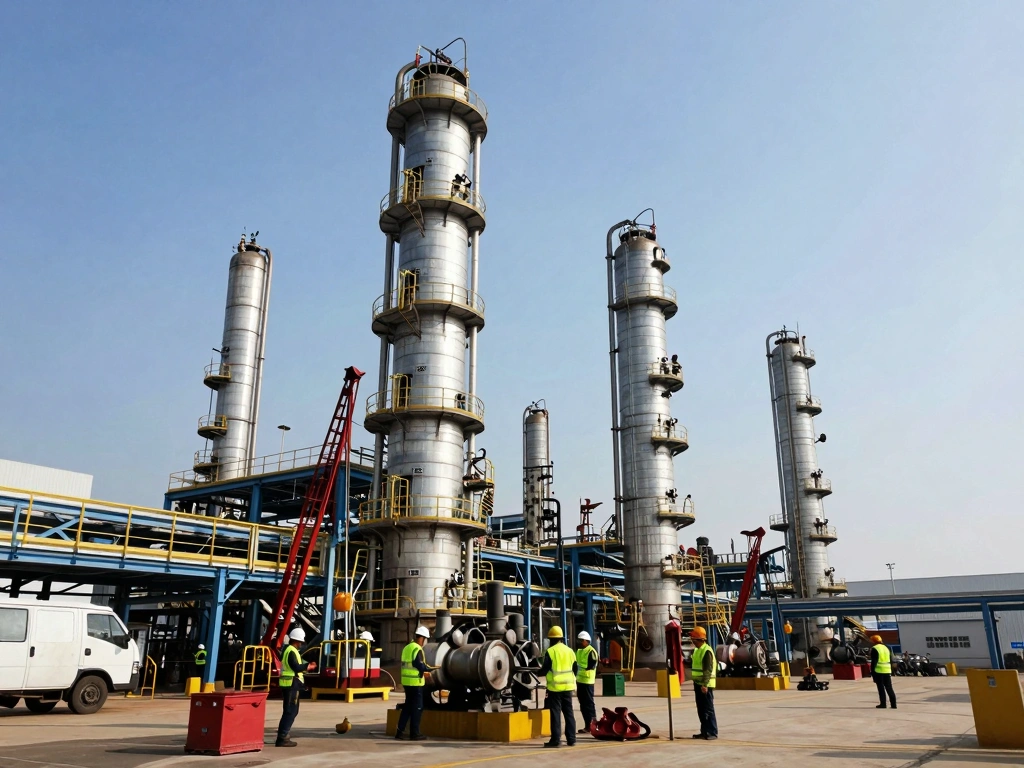
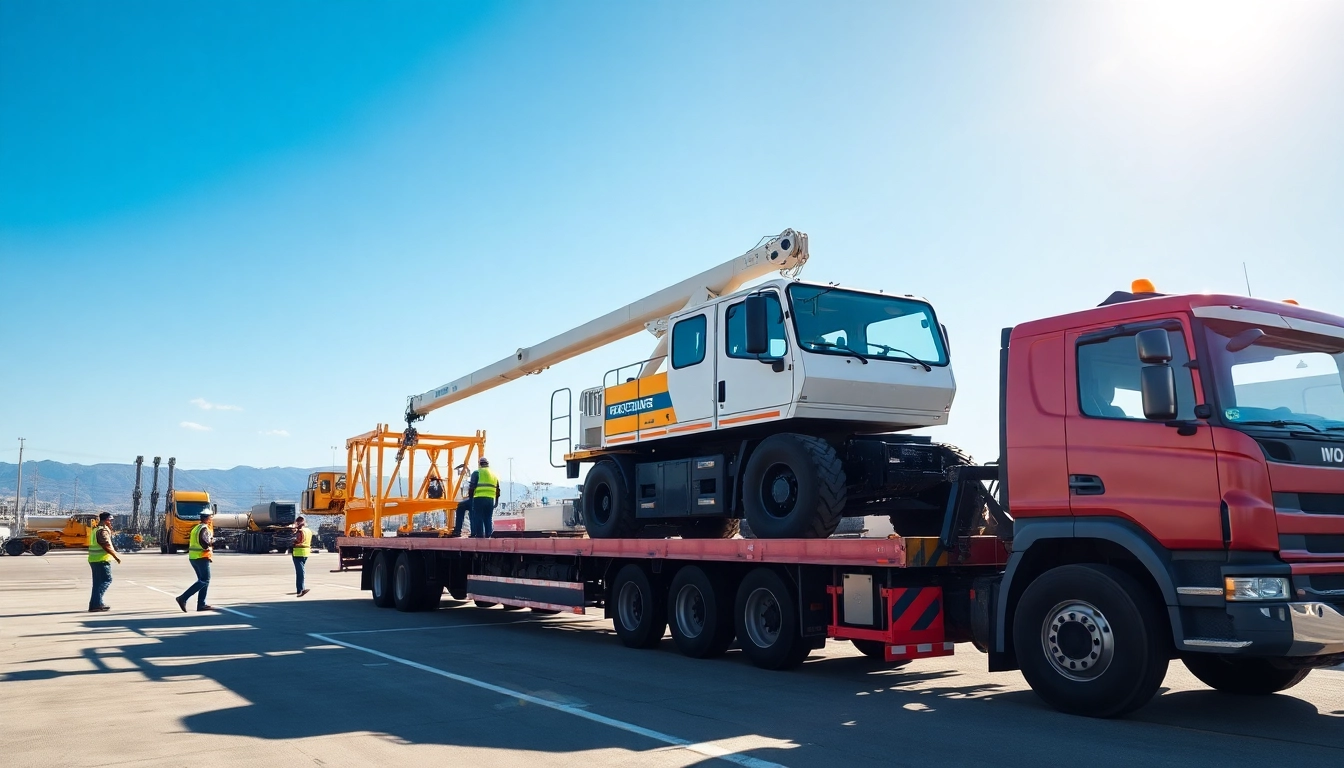
Understanding Equipment Transportation Basics
Definition of Equipment Transportation
Equipment transportation refers to the logistics and processes involved in moving various types of equipment from one location to another. This encompasses a wide range of items, from heavy machinery such as bulldozers and cranes to more specialized equipment like medical devices and construction tools. The efficient handling of this process is crucial for industries that rely on fast, safe, and reliable transportation solutions. For businesses looking to streamline their operations, proper equipment transportation is a vital component of their logistics strategy.
Types of Equipment for Transport
There are several categories of equipment that may require transportation services:
- Heavy Equipment: Includes machinery used in construction, mining, and agriculture, such as excavators, tractors, and loaders.
- Specialized Equipment: Equipment which may require unique handling, like medical instruments, scientific apparatus, or custom machinery.
- General Cargo: Smaller tools and products that still need careful handling to prevent damage during transit.
Key Factors Influencing Transportation Needs
Several factors can influence the choice of transportation methods for equipment:
- Weight and Size: Heavier and larger items typically require more specialized transport solutions.
- Type of Equipment: Specialized equipment may face additional regulatory requirements.
- Destination: The location’s accessibility and distance can significantly influence logistics planning.
Choosing the Right Transportation Method
Road vs. Rail Transport: Pros and Cons
Understanding the strengths and limitations of both road and rail transport can help businesses select the most appropriate option for their needs.
Road Transport
Road transport is often the most flexible method, allowing for direct delivery to the site.
- Pros: Direct routing and flexibility, faster transit times for smaller loads.
- Cons: Limited weight capacity and potentially higher costs over long distances.
Rail Transport
Rail transport offers an efficient option for heavier shipments over long distances.
- Pros: Cost-effective for bulk transport and reduced emissions per ton-mile.
- Cons: Requires additional transport to and from stations, can be slower than road transport.
Air Transport for Time-Sensitive Equipment
For critical shipments, air transport provides unbeatable speed. This method is ideal for high-value, time-sensitive equipment such as medical devices or vital machinery parts.
- Pros: Quick delivery times and reduced risk of damage due to short transit periods.
- Cons: Higher cost and limitations on the size and weight of cargo.
Water Transport: Cost-Effective Solutions
Water transport, especially for bulk shipments of heavy equipment, can be highly cost-effective.
- Pros: Lower freight costs for bulky items and capability for large-scale shipments.
- Cons: Longer transit times and dependency on port accessibility.
Cost Factors in Equipment Transportation
Determining Distance and Weight
Two of the primary factors impacting shipping costs are the distance to be traveled and the weight of the equipment. Longer distances typically incur higher fees, while heavier equipment often requires more elaborate logistical arrangements.
Understanding Permit and Fee Structures
Depending on the jurisdiction, various permits may be necessary for transporting equipment, especially oversized loads. Understanding these regulations and accumulating the necessary paperwork beforehand can save companies from incurring unexpected costs.
Tips to Minimize Overall Transportation Costs
- Plan shipments well in advance to optimize routes and delivery schedules.
- Consolidate smaller shipments into a single, larger consignment.
- Choose the most cost-effective transportation method based on the equipment type and distance.
Safety and Compliance in Equipment Transportation
Regulatory Requirements and Permits
Before initiating equipment transportation, it’s vital to understand the regulatory landscape. This includes various federal and state regulations that govern the transportation of heavy and oversized loads, including secure loading practices.
Best Practices for Safe Transport
Implementing best practices for safety can minimize accidents and damages:
- Ensure proper securing of all transported items.
- Conduct thorough inspections before and after transport.
- Train personnel in safe handling techniques.
Handling Oversized Loads
Oversized loads require specialized equipment and trained personnel to transport safely. It’s crucial to obtain proper permits and ensure compliance with safety regulations.
Future Trends in Equipment Transportation
Technological Innovations Enhancing Efficiency
Emerging technologies are transforming the equipment transportation industry. Innovations such as tracking software, automated vehicles, and advanced logistics platforms are streamlining the transportation process.
The Role of Sustainability in Transportation
With an increasing focus on sustainability, many companies are opting for greener transportation methods. Incorporating eco-friendly practices can not only reduce costs but also align with environmental regulations.
Industry Growth: Opportunities Ahead
As infrastructure and construction projects expand, the demand for reliable equipment transportation solutions is anticipated to grow. Companies that can adapt to changing needs will find significant market opportunities.
FAQs
1. How much does it cost to transport equipment?
Transport costs typically range from $2 to $5 per mile. Factors such as equipment size, weight, distance, and route complexity will influence the total cost.
2. What are the main types of transport?
The primary modes of transport are road, rail, air, and water. Each mode has its strengths and weaknesses depending on the equipment type and delivery requirements.
3. What is the cheapest mode of transport for heavy goods?
Water transport is generally the most cost-effective method for heavy and bulky goods, especially for long-distance shipments.
4. What permits are needed for oversized loads?
Permits vary by state but usually include overweight/oversize load permits, pilot car regulations, and route planning approvals to ensure safe transport.
5. How can I ensure the safety of my equipment during transport?
To ensure safety, secure all equipment properly, conduct pre-transport inspections, and choose reliable transport services experienced in handling your specific equipment type.
Contact Information
Call Us: 4062607988Address: 3906 MT-40, Columbia Falls, MT 59912