Introduction to Gradals
Understanding the complexities of heavy machinery, particularly gradal, is essential for construction and infrastructure. Gradals represent a unique blend of excavator functionality and practical versatility that has vastly improved operational efficiencies across multiple industries. From lifting to excavating, understanding their capabilities can transform project outcomes. This article explores the multifaceted world of gradal equipment, delving deep into their history, selection process, and much more.
Understanding Gradal Equipment
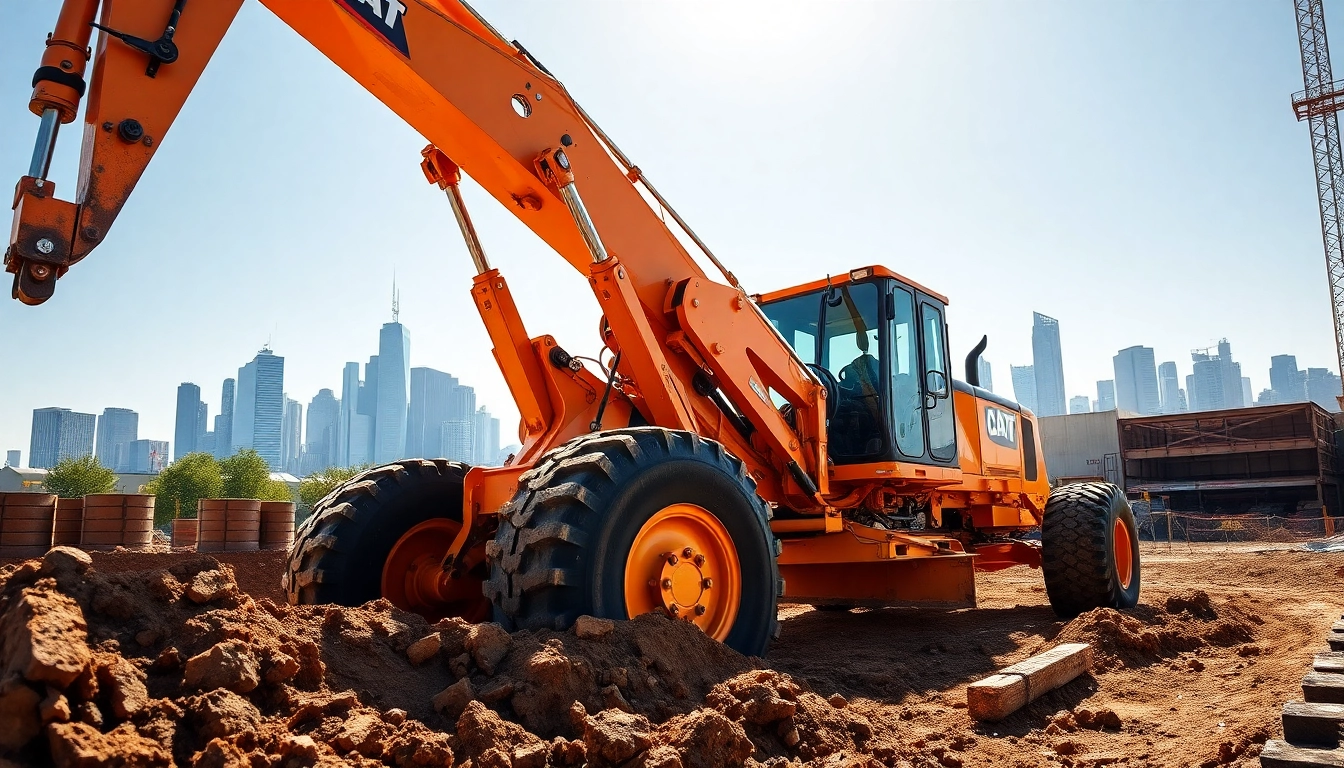
Gradals are specialized pieces of equipment designed to provide high performance and versatility. They can be characterized by their telescoping boom, which allows for a unique range of movement that traditional excavators lack. The hydraulic systems used in gradals enable them to tackle a variety of tasks, from digging foundations to lifting heavy objects.
The design of a gradal often emphasizes differences from standard excavators. Their capabilities often include working in rugged terrains and maneuvering around obstacles that would prove challenging for other heavy equipment. This makes them invaluable in construction sites, especially where space is limited and precision is necessary.
History and Evolution of Gradals
The inception of gradal equipment can be traced back to the growing demands of the construction industry in the mid-20th century. As urban development flourished, the need for versatile machinery that could perform multiple roles arose. Gradals were developed to fill this niche, combining the traditional functions of road construction and heavy lifting with new technological advancements.
Initially, gradals were primarily utilized in urban construction projects, but as their design evolved, they found applications across diverse sectors such as mining, agriculture, and waste management. The innovations in hydraulic technology and engine efficiency have continuously improved their performance and durability, ensuring gradals remain relevant and effective over the decades.
Importance in the Construction Industry
Within the construction industry, gradals have become synonymous with efficiency. Their ability to perform various tasks reduces the need for multiple machines, saving both time and resources. For example, instead of using separate excavators, loaders, and bulldozers, a single gradal can undertake many of these tasks, enhancing workflow and decreasing downtime.
Moreover, the design of gradals allows for optimal productivity. Features such as adjustable booms, various attachment capabilities, and improved fuel efficiency provide additional advantages. As construction projects become more complex, utilizing gradals can be a strategic decision that enhances project execution.
Types of Gradals and Their Uses
Wheel vs. Crawler Gradals
Gradals typically come in two main configurations: wheeled and crawler models. Understanding the differences is crucial for selecting the correct gradal for your specific needs.
Wheeled gradals excel in terms of speed and maneuverability, making them perfect for urban environments or construction sites with solid, paved grounds. They can quickly be transported between various locations, significantly decreasing transportation costs. However, their performance may falter in rugged terrains.
Crawler gradals, on the other hand, offer enhanced stability and traction on uneven or rough surfaces. While they sacrifice some speed for climbing ability and durability, they are ideal for projects requiring significant lifting or digging in challenging environments, such as mining or large-scale excavation.
Applications in Various Industries
Gradals find applications in various sectors, primarily in construction, but their utility extends beyond that. In the agricultural sector, gradals can assist with tasks like drainage and land clearing. In mining, their ability to maneuver on uneven terrain is invaluable for accessing hard-to-reach areas.
Urban development projects benefit greatly from the flexibility of gradals; they can navigate tight spaces and perform necessary tasks without requiring significant site alterations. Additionally, in the industrial sector, gradals are utilized for maintenance and material handling, ensuring the smooth operation of facilities.
Advantages of Using Gradals
- Versatility: Gradals can perform a range of tasks, reducing the need for multiple types of equipment.
- Increased Efficiency: They enhance operational speed and reduce downtime, which is crucial in project management.
- Improved Maneuverability: The unique design allows for usage in tight spaces where traditional equipment might not fit.
- Cost-Effective: Gradals reduce operational costs by minimizing the number of machines on-site and lowering transportation expenses.
Choosing the Right Gradal for Your Needs
Key Features to Consider
When selecting a gradal, it is essential to understand the key features that will dictate performance and suitability for specific tasks. Some features to consider include:
- Size and Weight: Ensure the gradal can handle the loads of the intended task without compromising safety.
- Hydraulic Power: Evaluate the hydraulic system's power and its ability to perform efficiently in various applications.
- Boom Reach: Assess how far the boom can extend, which will impact the gradal's effectiveness in specific environments.
- Control Systems: Modern gradals often come with advanced control systems that enhance operational ease and precision.
- Durability: Investigate the build quality and materials to ensure longevity and resilience in challenging jobs.
Evaluating Performance Metrics
To determine the optimal gradal for your needs, refer to performance metrics that will influence its utility on site. Look out for:
- Lifting Capacity: The maximum weight the gradal can lift directly impacts its usability in construction tasks.
- Digging Depth: Understanding how deep a gradal can dig is critical for excavation projects, impacting overall effectiveness.
- Transport Speed: If the gradal needs to move between job sites quickly, evaluate its transport speed and road application.
- Fuel Efficiency: A gradal that consumes less fuel while maintaining performance is advantageous from a cost perspective.
Cost-Benefit Analysis
A thorough cost-benefit analysis will aid in justifying the purchase or rental of a gradal. Consider factors like initial investment, operational costs, maintenance expenses, and potential savings from increased efficiency. Additionally, assess the expected return on investment (ROI) through improved project timelines and diminished labor costs.
Maintenance and Best Practices for Gradals
Routine Maintenance Tips
To maximize the lifespan and performance of a gradal, regular maintenance is paramount. Key tips include:
- Inspect hydraulic fluid levels regularly to prevent system failures.
- Check filters and replace them as needed to ensure dirt and debris do not compromise functionality.
- Perform routine examinations of tires or tracks for wear and proper alignment.
- Schedule professional servicing annually or as specified by the manufacturer's guidelines.
Common Issues and Troubleshooting
Even with diligent maintenance, gradals may face occasional issues. Common problems include hydraulic leaks, engine stalls, and mechanical failures. Troubleshooting typically involves:
- Checking fluid levels and seals for leaks in the hydraulic system.
- Reviewing error codes on electronic control systems to identify faults.
- Conducting regular inspections of mechanical components to prevent failures before they occur.
Best Practices for Operation
Appropriate operational practices can significantly enhance safety and efficiency. Operators should be well-trained in the unique characteristics and operational methods of gradal equipment. Emphasizing safety protocols, such as wearing protective equipment and conducting thorough pre-operation checks, can mitigate workplace accidents and enhance productivity.
Future Trends in Gradal Technology
Innovations and Advancements
The future of gradal technology is promising, characterized by rapid advancements. Innovations in automation and telematics are set to reshape the landscape of heavy machinery. Features such as remote monitoring and real-time data analytics will provide operators with greater control and insights into performance metrics. These technologies promise to improve safety standards while reducing operational costs.
Environmental Impact and Sustainability
As global focus shifts towards sustainability, the development of electric and hybrid gradals is on the rise. This trend aims to reduce carbon emissions and fuel consumption without compromising performance. Manufacturers are exploring eco-friendly materials and energy-efficient designs to ensure that future gradal equipment aligns with environmental standards and sustainability goals.
Predictions for Industry Changes
As the construction industry evolves, so too will the role of gradal equipment. An increased focus on projects governed by sustainability will lead engineers to prioritize efficiency and versatility in gradal design. Integration with smart technologies will not only improve job performance but also provide long-term strategies for maintaining machines and workforce safety. To remain competitive, contractors will need to embrace these predetermined changes in technology and operational standards.
Frequently Asked Questions
What is the primary function of a gradal?
A gradal combines the lifting capabilities of an excavator with versatility for various construction tasks, making it essential for efficient project execution.
How do I choose between wheeled and crawler gradals?
Your choice should be based on your project’s environment. Wheeled gradals are best for paved areas, while crawlers are suited for rugged terrain.
What routine maintenance steps should I follow?
Regular checks on hydraulic fluid levels, tire or track condition, and filter replacements are essential to maintain gradal performance.
Can gradals be used for mining?
Yes, gradals are ideal for mining because of their ability to work in uneven terrains and their capacity to handle heavy payloads.
What are the key features to consider when purchasing a gradal?
Consider size, weight, hydraulic power, boom reach, control systems, and durability to ensure you select the right equipment for your needs.