
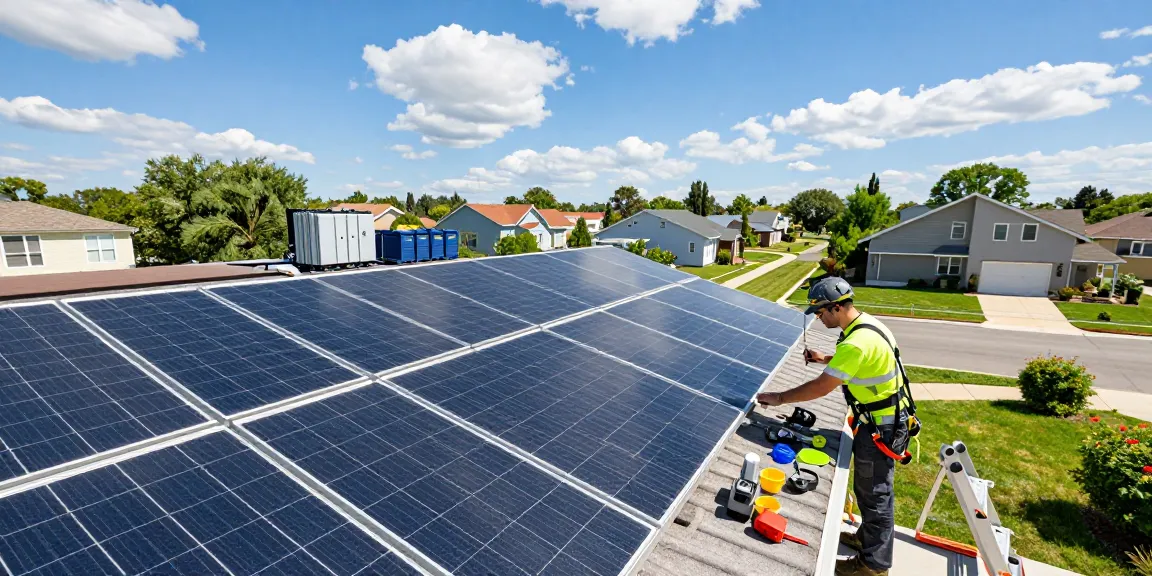
Understanding Panouri Fotovoltaice and Their Benefits
In recent years, the momentum behind renewable energy has significantly increased, with solar energy leading the charge due to its accessibility and efficiency. Among the most vital components of solar energy systems are panouri fotovoltaice, or solar panels, which convert sunlight into electricity. Homeowners and businesses alike are increasingly turning to these innovative technologies not only to reduce their energy costs but also to contribute to a more sustainable future. This article will delve into the various aspects of solar panels, their benefits, installation processes, maintenance, and future innovations in solar energy technology.
What Are Panouri Fotovoltaice?
Panouri fotovoltaice are devices that convert light energy from the sun into electrical energy through the photovoltaic effect. These panels are generally composed of multiple solar cells made from silicon, which is a semiconductor material. When sunlight hits the solar cells, it excites electrons, generating a flow of electricity. This electricity can then be used immediately in a home or business, stored in batteries for later use, or fed back into the grid.
Key Advantages of Solar Panels
- Cost Efficiency: Over time, solar panels can drastically reduce electricity bills and even provide income through net metering.
- Environmentally Friendly: Solar energy is clean and renewable, significantly lowering carbon footprints.
- Energy Independence: Using solar energy reduces reliance on fossil fuels and enhances energy security.
- Low Maintenance: Solar panel systems require minimal maintenance once installed, making them a hassle-free solution.
Impact on Energy Bills and Sustainability
The impact of panouri fotovoltaice on energy bills can be substantial. With rising energy costs, many individuals are discovering that investing in solar panels can lead to significant savings. For instance, homeowners may save thousands of dollars over the lifespan of their solar systems. Moreover, by switching to solar, users contribute to the reduction of greenhouse gas emissions, aiding in the fight against climate change.
Choosing the Right System for Your Needs
Choosing the ideal solar system is paramount to maximizing benefits and efficiency. It involves evaluating different types of solar panels, understanding energy requirements, and ensuring battery and inverter compatibility. This section will offer insights into how to make informed decisions that suit your specific energy needs.
Types of Panouri Fotovoltaice Available
Today, solar panels come in various types, each designed for specific applications. The main types include:
- Monocrystalline Solar Panels: Made from a single crystal structure, these are known for their high efficiency and sleek design.
- Polycrystalline Solar Panels: Created from multiple crystal structures, these panels are generally less expensive but slightly less efficient.
- Thin-Film Solar Panels: Lightweight and flexible, these panels can be integrated into various surfaces but are typically less efficient than crystalline panels.
Evaluating Your Energy Requirements
To choose the right solar system, assess your home's energy consumption patterns. Start by reviewing past utility bills to determine your average monthly energy use. This information will help you decide the capacity of the solar panels needed. Moreover, consider future energy needs as electric vehicles or home expansions can increase consumption.
Considerations for Battery and Inverter Compatibility
When selecting your solar system, ensuring compatibility between batteries and inverters is crucial. Inverters convert the direct current (DC) from solar panels into alternating current (AC) used in homes. Battery storage systems, such as those using LIFEPO4 technology, can store energy for use when solar generation is low, providing energy resilience and independence. Matching the inverter capacity to your solar panels and battery storage is vital for optimal performance.
The Installation Process Explained
Installing a solar panel system can be both an exciting and daunting task. Understanding the installation process can alleviate concerns and prepare homeowners and business owners for what lies ahead. Below, the article outlines the key aspects of installation.
Step-by-Step Installation Guide
The installation process for solar panels typically follows these steps:
- Site Assessment: A professional will evaluate the installation site to determine shading, orientation, and roof condition.
- System Design: Professionals will design a system tailored to your energy needs and building specifications.
- Obtaining Permits: Necessary permits must be obtained from local authorities before installation can proceed.
- Installation: The solar panels, inverter, and batteries will be installed, followed by wiring and connections.
- Final Inspection: A final inspection ensures the system is safe and operational before activation.
Choosing the Right Professionals for Installation
Selecting a qualified installer is critical to the success of your solar project. Look for companies with a proven track record, positive customer reviews, and appropriate certifications. Ensure that the installer provides warranties for both installation and equipment to protect your investment.
DIY vs. Professional Installation: Pros and Cons
While some homeowners consider DIY installation to save costs, professional installation generally guarantees expertise and safety. Here are the pros and cons:
- Pros of DIY: Cost savings, flexibility in timing, and personal involvement.
- Cons of DIY: Lack of installation experience, potential safety hazards, and voided warranties.
- Pros of Professional Installation: Expertise, safety, and warranty protections.
- Cons of Professional Installation: Higher upfront costs.
Maintaining Your Solar Panel System
Once installed, maintaining your solar panel system is essential for performance and longevity. This section discusses key maintenance practices and monitoring strategies to ensure your solar system operates at peak efficiency.
Essential Maintenance Tips for Longevity
Regular maintenance is key to extending the lifespan of solar panels. Here are some essential tips:
- Regular Cleaning: Dust, leaves, and bird droppings can reduce efficiency; cleaning panels regularly helps maintain performance.
- Visual Inspections: Periodic checks can help identify damage or wear and tear.
- Professional Check-ups: Schedule annual inspections with a qualified technician to ensure everything is functioning correctly.
Monitoring System Performance
Monitoring your solar system’s performance helps you detect any issues early. Many modern solar systems come with monitoring software that allows homeowners to track energy generation, usage, and system health in real-time.
Common Issues and How to Resolve Them
Keeping an eye on common solar issues can lead to quick resolutions. Some frequent problems include:
- Low Energy Production: This could result from shading, dirt on panels, or system malfunctions.
- Inverter Issues: If the inverter displays an error code, consult the user manual or a professional for troubleshooting.
- Battery Faults: Regularly check battery health and capacity to ensure reliability in energy storage.
Future Trends in Solar Technology
As technology evolves, so does the landscape of solar energy. Innovations in solar technology are driving efficiencies and affordability, shaping the future for consumers and businesses alike.
Innovations in Panouri Fotovoltaice Technologies
Recent advancements in solar technology include the development of bifacial solar panels, which capture sunlight on both sides, increasing energy production. Additionally, solar panels integrated into building materials (BIPV) are making solar energy more accessible in urban settings.
Emerging Trends for 2026 and Beyond
As we look to 2026, the solar industry is expected to grow significantly, driven by advancements in energy storage technology and smart grid integration. Expectations are for greater efficiencies in solar panels, affordable battery solutions, and streamlined installation processes.
Government Incentives and Support for Solar Energy
Governments worldwide continue to promote solar energy through incentives such as tax credits, rebates, and grant programs. These incentives make solar installations more affordable, encouraging more users to shift to renewable energy solutions.
What We Can Expect in the Solar Market?
The solar market is anticipated to expand rapidly, with increasing consumer awareness and governmental support. As technology becomes more accessible and affordable, more households and businesses will adopt solar energy solutions, resulting in a cleaner environment and reduced energy costs.