Understanding Integrated Modular Systems
Integrated Modular Systems represent a revolutionary shift in how industries approach complex challenges, particularly in water treatment. These systems are designed to seamlessly combine multiple functional modules into a cohesive framework, allowing for greater efficiency and adaptability across various applications. By leveraging cutting-edge technology, integrated modular systems enhance operational performance, reduce costs, and conserve space, making them a compelling option for businesses looking to optimize their processes. When exploring options, Integrated Modular Systems offer comprehensive insights into modern solutions.
What Are Integrated Modular Systems?
Integrated Modular Systems are engineered architectures that incorporate various components into a unified structure. This approach not only simplifies operations but also enhances flexibility, allowing for modifications and expansion as needed. These systems are especially valuable in sectors that require adaptable solutions, such as water treatment, where the ability to respond to fluctuating conditions is crucial.
Key Components and Functionality
The functionality of Integrated Modular Systems revolves around several key components:
- Modular Design: Each module is designed to perform specific tasks, enabling easy assembly and reconfiguration.
- Scalability: Systems can be expanded or contracted based on operational needs, ensuring maximum efficiency.
- Integrated Technology: Automation and control technologies are embedded within the modules, streamlining processes and reducing the need for manual intervention.
- Real-Time Monitoring: Systems often include advanced sensors and monitoring tools, allowing for immediate feedback and adjustments.
Benefits for Water Treatment Applications
Water treatment facilities face unique challenges, and Integrated Modular Systems provide tailored solutions that address these issues effectively. Benefits include:
- Increased Efficiency: By optimizing the treatment processes, these systems can significantly reduce operational costs and time.
- Enhanced Performance: Integrated systems reduce the risk of failure by ensuring that each module works in harmony with others.
- Environmental Compliance: Modular systems are designed to meet stringent environmental regulations, aiding in sustainable practices.
Advantages of QILEE's Integrated Modular Systems
As a leader in the market, QILEE offers Integrated Modular Systems that stand out due to their unique advantages. These systems are engineered to provide high performance in a compact structure, making them suitable for various applications.
Efficiency in Resource Utilization
QILEE’s Integrated Modular Systems are designed to maximize resource utilization. By employing energy-efficient technologies and minimizing waste, these systems help facilities operate at lower costs while maintaining high standards of output.
Space-Saving Designs
In urban settings where space is at a premium, the compact nature of QILEE's Integrated Modular Systems allows for effective deployment without the need for extensive infrastructure. This is particularly important in wastewater treatment facilities that must minimize their physical footprint.
Enhanced Operational Performance
With an emphasis on durability and reliability, QILEE's systems are built to withstand the demands of continuous operation. The integration of advanced technologies ensures that performance remains optimal, even under varying load conditions.
Core Offerings of QILEE
QILEE specializes in a variety of Integrated Modular water treatment solutions, expertly designed to address specific water-related challenges:
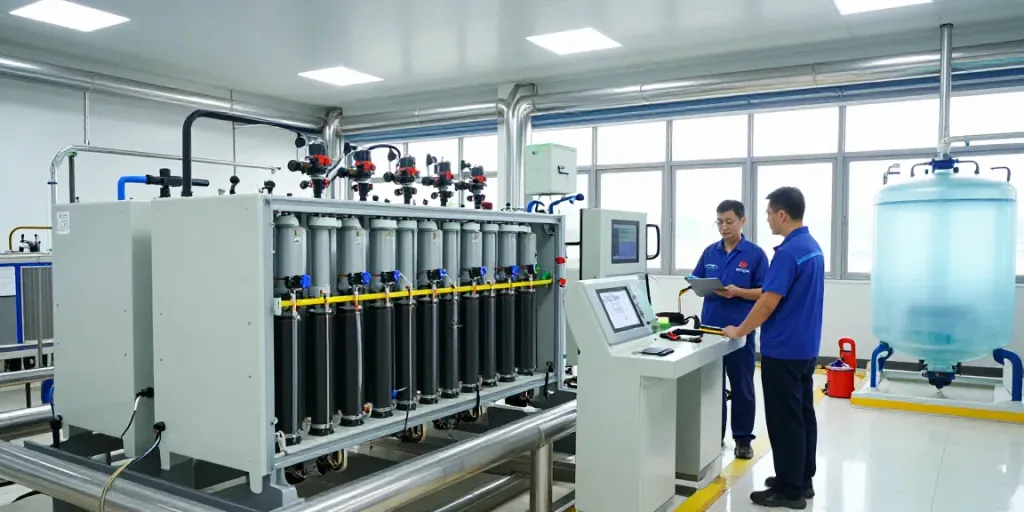
Integrated Membrane Water Treatment System
This system utilizes advanced membrane technology to efficiently separate contaminants from water, ensuring high-quality output suitable for various applications. Its modular nature allows for easy upgrades and maintenance.
DAF Integrated Treatment System
The DAF (Dissolved Air Flotation) Integrated Treatment System is particularly effective in handling wastewater containing suspended solids. Designed with chemical dosing and sludge dewatering capabilities, it boasts a compact structure with outstanding performance metrics.
Sludge Dewatering Modular System
Managing sludge effectively is a critical component of water treatment. The Sludge Dewatering Modular System efficiently reduces the volume of waste generated, facilitating easier disposal and further processing.
Case Studies and Real-World Applications
To illustrate the impact of Integrated Modular Systems, it is essential to explore their successful implementations across various sectors.
Successful Implementation in Various Industries
Industries such as municipal water treatment, industrial wastewater management, and food processing have successfully adopted QILEE's Integrated Modular Systems. Case studies reveal significant improvements in processing times, operational cost reductions, and enhanced regulatory compliance.
User Testimonials and Experiences
Feedback from users highlights the reliability and performance of QILEE's systems. Many report smoother operations and decreased downtime, which translates into higher productivity levels.
Lessons Learned from Integrated Modular Systems Projects
Through their projects, QILEE has gleaned insights into best practices for system implementation. Key lessons include the importance of thorough site assessments and the need for continuous training of operational staff to guarantee optimal system use.
The Future of Integrated Modular Systems in 2026 and Beyond
Looking ahead, the landscape for Integrated Modular Systems in water treatment is poised for transformation driven by technological advancements and evolving regulatory frameworks.
Emerging Trends in Water Treatment Technology
One significant trend is the increasing integration of AI and IoT technologies, which will enhance real-time monitoring and predictive maintenance capabilities within modular systems.
Innovations Driving Integrated Modular Solutions
Innovation in material science is also expected to elevate the performance of integrated systems, making them more resistant to wear and environmental factors, thus extending their usable life.
Preparing for Future Challenges in Water Management
Future challenges, such as climate change and population growth, necessitate adaptable and resilient water management solutions. Integrated Modular Systems will play a crucial role in meeting these challenges.
What Are the Cost Considerations for Integrated Modular Systems?
While the initial investment for Integrated Modular Systems can be significant, the long-term savings from enhanced efficiency and reduced operational costs often outweigh these upfront costs. Companies must conduct careful financial analyses to determine the best approach for their specific needs.
How Do I Choose the Right Integrated Modular System?
Selecting the optimal Integrated Modular System involves evaluating factors such as system capacity, space requirements, and specific treatment needs. Consulting with industry experts can provide valuable insights during this decision-making process.
What Is the Environmental Impact of Modular Systems?
Environmental sustainability is a core consideration for modern modular systems. QILEE's offerings are designed to minimize waste and energy consumption, significantly lowering the carbon footprint associated with water treatment operations.
How Can Integrated Modular Systems Improve Sustainability?
By adopting Integrated Modular Systems, companies can enhance their sustainability efforts. These systems promote efficient water use, reduce chemical consumption, and improve the overall environmental performance of treatment facilities.