Overview of Clarksburg AVA
What is Clarksburg AVA?
The Clarksburg American Viticultural Area (AVA) is a distinctive wine region located in California, primarily within Yolo County. Recognized for its unique terroir and significant grape varietals, Clarksburg AVA occupies over 10,000 acres of planted vineyards across approximately 15 vineyards. This area is known for its scenic country roads and picturesque landscapes, making it a popular destination for wine enthusiasts and casual visitors alike. Clarksburg serves as a home to a range of wine varietals, with particular acclaim for wines such as Chenin Blanc and Petite Sirah. For those interested in exploring the local offerings, the clarksburg AVA wines varietals provide a remarkable sampling of the region's viticultural pride.
Climate and Terroir Influences
Clarksburg is characterized by a Mediterranean climate with hot, dry summers and cool, wet winters. This climatic balance is crucial in determining the flavor profiles of the wines produced in the region. The proximity to the Sacramento Delta creates a unique microclimate, allowing for a diverse array of grapes to thrive in its soil. The alluvial deposits in the area contribute to the rich nutrients available for vine growth, while the cool breezes encourage slow ripening, leading to enhanced flavor concentration. As a result, Clarksburg wines often exhibit bright acidity, depth, and complexity, distinctive traits that set them apart in the competitive wine market.
Historical Significance of Clarksburg AVA
The history of viticulture in Clarksburg dates back to the late 19th century, with roots in the agrarian practices of the local communities. Originally known for its agriculture, the area transitioned towards winemaking with the establishment of various vineyards throughout the 20th century. Clarksburg AVA was officially recognized in 1984, signifying its emergence as a prominent wine-producing region in California. Since its designation, the AVA has gained a reputation for its focus on sustainable farming practices and its commitment to preserving the local environment while showcasing the best of its terroir.
Popular Clarksburg AVA Wines Varietals
Chenin Blanc: A Signature Variety
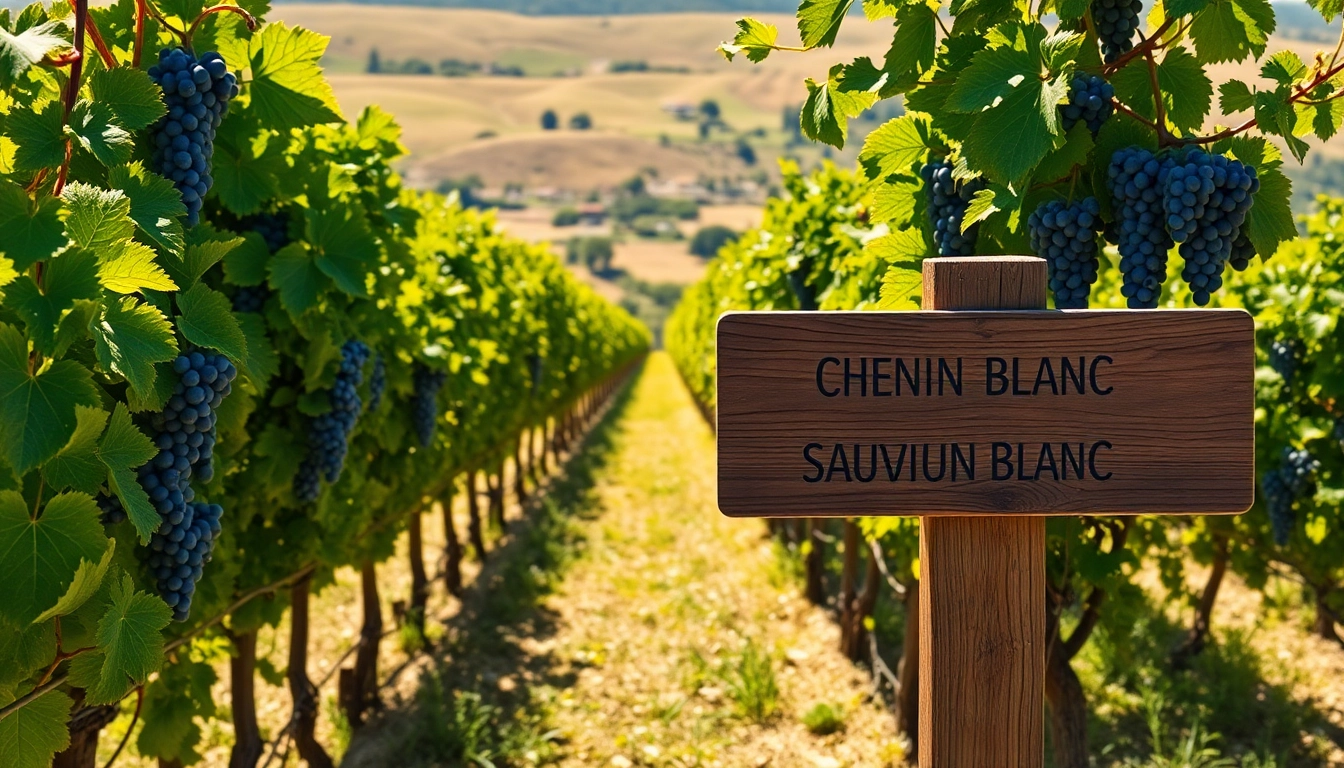
Chenin Blanc is often regarded as the hallmark varietal of Clarksburg, thriving exceptionally well in its unique climate and soil. This versatile grape variety ranges from dry to off-dry, producing wines that maintain refreshing acidity and crisp fruit characteristics. The typical flavor profile of Clarksburg Chenin Blanc includes ripe apple, pear, and floral notes, coupled with mineral undertones. The region's winemakers have embraced this varietal, producing a variety of styles from still to sparkling, capturing the diverse expressions of this grape.
Exploring Cabernet Sauvignon and Merlot
In addition to Chenin Blanc, Clarksburg is home to other popular varietals such as Cabernet Sauvignon and Merlot. Cabernet Sauvignon, known for its full-bodied structure and tannins, presents rich flavors of blackcurrant, cedar, and spices typical of the varietal. Clarksburg's Merlot shines with its plush texture and smooth finish, featuring notes of ripe plum, chocolate, and subtle herbal elements. Both varietals benefit from the region's climate, allowing for optimal ripeness and flavor development, making them a favorite among collectors and casual drinkers alike.
Unique Characteristics of Petite Sirah
Petite Sirah, though less common than other varietals, showcases the unique adaptability and quality that Clarksburg offers. Known for its dark color and robust flavor profile, this grape produces bold wines with notes of blackberry, blueberry, and hints of pepper and chocolate. The tannins are firm yet velvety, making Petite Sirah an excellent choice for aging. The region's terroir enhances the varietals' vibrant fruit character, allowing winemakers to produce expressive wines that reflect Clarksburg's distinctive essence.
Visiting Wineries in Clarksburg
Top Wineries to Experience
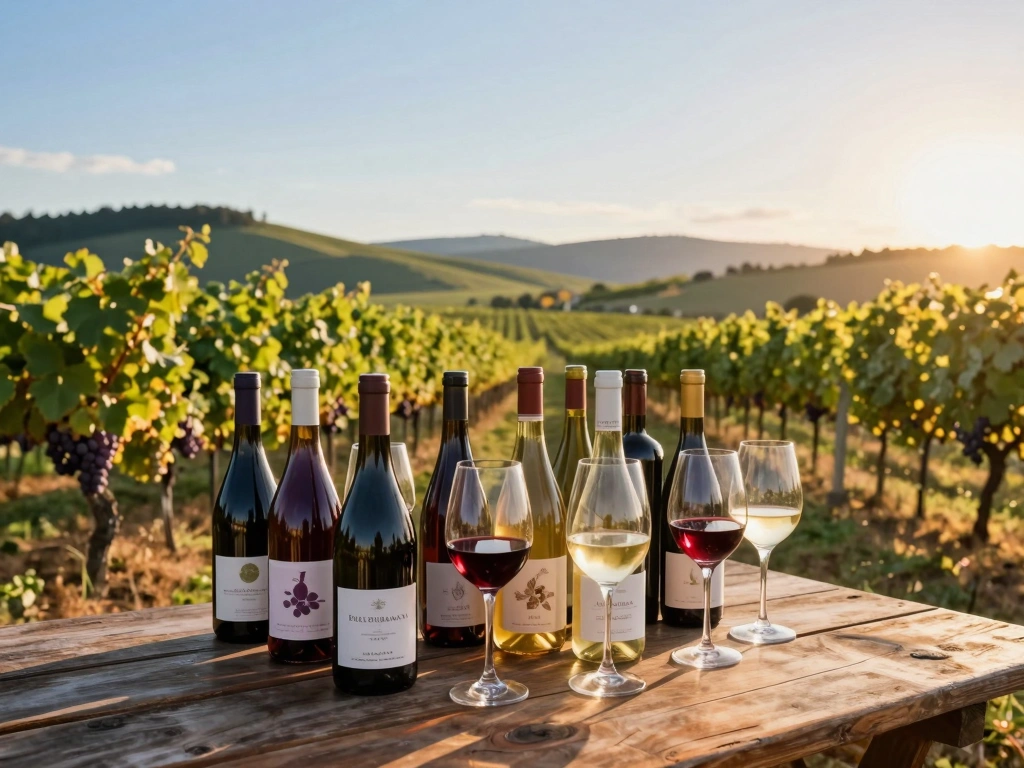
A visit to Clarksburg is incomplete without exploring its notable wineries. Each vineyard showcases unique interpretations of local grapes, offering an array of tasting experiences. Guests can enjoy personal and intimate tastings that reveal the craftsmanship and dedication behind each label. Popular estates present an opportunity to learn about the winemaking process, engage with knowledgeable staff, and savor the rich beverages that define the Clarksburg AVA.
Tasting Events and Tours
Throughout the year, Clarksburg hosts a variety of tasting events and guided tours, designed to enhance the visitor experience. Many wineries organize seasonal festivities that celebrate the harvest, providing an engaging atmosphere with food pairings, live music, and community gatherings. These occasions not only highlight the local wines but also foster a sense of connection among attendees, making wine tasting an enriching experience for all.
Pairing Food with Clarksburg AVA Wines Varietals
Pairing food with Clarksburg AVA wines can elevate both the meal and the wine itself. The bright acidity of Chenin Blanc pairs splendidly with light dishes, seafood, and even spicy cuisines, enhancing the flavors of these foods. Cabernet Sauvignon complements red meats and hearty dishes, whereas Merlot's smoothness makes it versatile enough to accompany less intense options such as roasted chicken or mushroom risotto. For most excellent enjoyment, consider regional ingredients and dishes that can highlight the unique characteristics of Clarksburg wines.
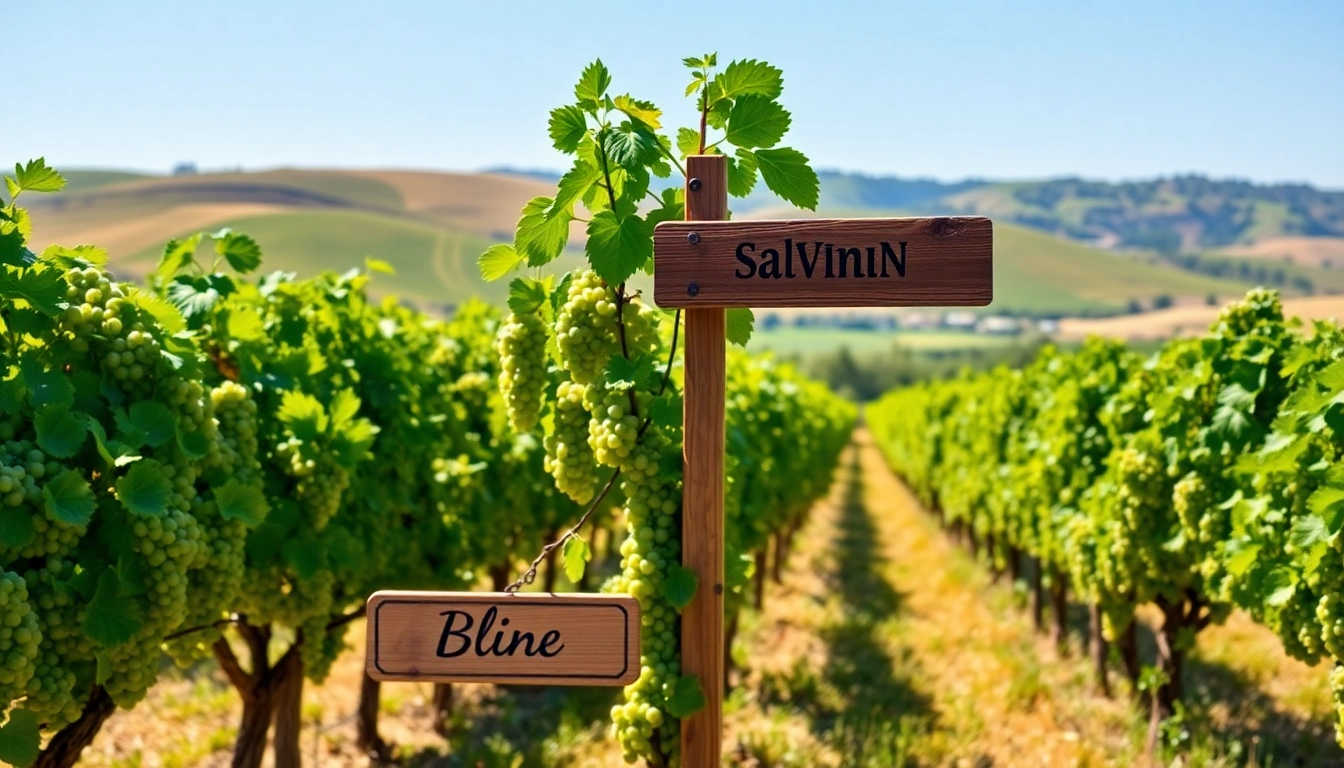
Best Practices for Wine Enthusiasts
How to Choose the Right Wine
When selecting a wine, consider factors like the occasion, personal taste preferences, and food pairings. For special events, exploring a range of varietals from Clarksburg may offer an exciting opportunity to discover unique flavors. Consulting with local staff can provide insight into current offerings, seasonal selections, and recommendations based on guests' preferences. Tasting before purchasing can aid in making an informed decision about what fits individual palates.
Storing and Serving Clarksburg Wines
Correct storage and serving techniques are essential to preserve the integrity of Clarksburg wines. Store bottles in a cool, dark place with a consistent temperature, ideally between 50°F and 55°F. When serving, consider the appropriate glassware to enhance the tasting experience—for instance, use tulip-shaped glasses for aromatic varietals. Be mindful of serving temperatures; whites often taste best chilled, while reds benefit from slightly warmer conditions to reveal their full complexity.
Understanding Wine Labels and Varietals
Wine labels provide a wealth of information that can guide consumers in their choices. Familiarizing oneself with terminologies like vintage, region, and varietal can add depth to the wine selection experience. Understand what to look for regarding quality indicators, such as ratings and winemaking practices used. This knowledge can equip enthusiasts with the tools needed to explore Clarksburg AVA wines varietals confidently.
FAQs About Clarksburg AVA Wines Varietals
What varietals grow in Clarksburg AVA?
Clarksburg AVA is known for various varietals, including Chenin Blanc, Cabernet Sauvignon, Merlot, and Petite Sirah, which thrive in the region's unique terroir.
How has Clarksburg AVA evolved over time?
Since receiving its AVA designation in 1984, Clarksburg has focused on sustainable viticulture and expanding its reputation, garnering recognition as a top-producing wine region in California.
Can I visit wineries in Clarksburg?
Yes, Clarksburg offers numerous wineries that welcome visitors for tastings, tours, and events, showcasing the region's rich wine culture and producing exceptional wines.
What makes Chenin Blanc special in Clarksburg?
Chenin Blanc in Clarksburg is celebrated for its vibrant acidity, diverse flavor range, and the ability to produce various styles—from dry to sparkling—that reflect local terroir.
What is the best time to visit Clarksburg wineries?
While Clarksburg can be enjoyed year-round, the ideal time is during harvest season in the fall, when events and festivals highlight local wines and the region's agricultural bounty.