The Science Behind Peptides
What are Research Peptides?
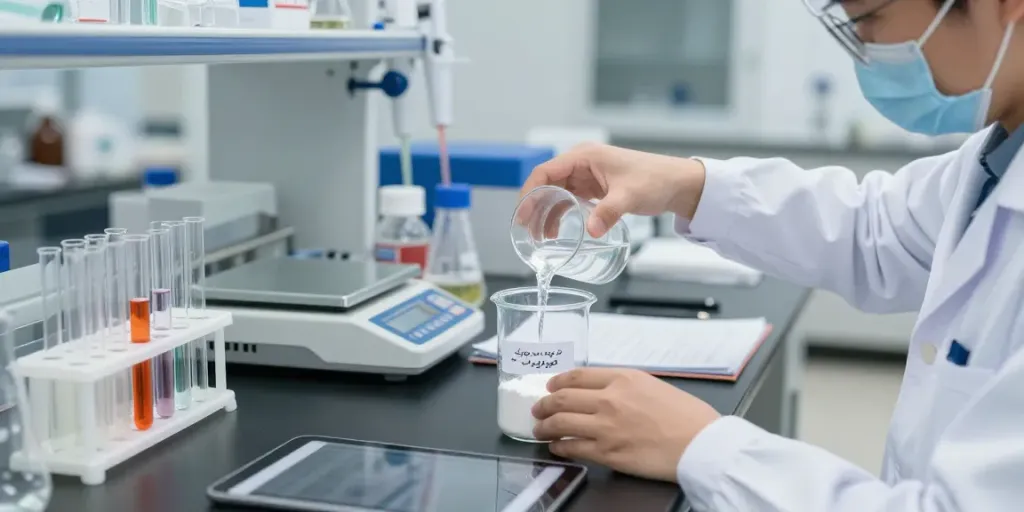
Research peptides are short chains of amino acids that serve as the building blocks for proteins in living organisms. They are often synthesized in laboratories for scientific investigation and experimentation. Unlike traditional pharmaceuticals, research peptides usually undergo less regulation, allowing researchers to explore their potential benefits and applications. These substances can influence a wide range of biological processes, making them a critical area of study in fields such as regenerative medicine, sports performance, and anti-aging therapies. For instance, tb 500 for sale has gained attention for its varied applications in promoting healing and recovery.
Mechanisms of Action in the Body
The efficacy of research peptides, including TB-500, lies in their ability to mimic proteins and interact directly with specific cellular receptors. These interactions can stimulate various biological processes, such as cell signaling, growth, and repair mechanisms. TB-500, for example, is known to promote muscle tissue repair, enhance healing through new blood vessel formation (angiogenesis), and modulate inflammation. Its mechanism often involves upregulating the production of proteins that are key to cellular regeneration, thereby accelerating the recovery processes after injury or stress.
Types of Peptides Used in Research
There exists a myriad of peptides employed in research, each tailored to specific biological functions. Some categories include:
- Hormonal Peptides: These peptides modulate hormonal responses, influencing metabolism, growth, and overall homeostasis.
- Antimicrobial Peptides: Known for their ability to combat infections, these peptides support the immune response.
- Tissue Repair Peptides: They play crucial roles in wound healing and recovery, such as TB-500, which has shown efficacy in regenerating damaged tissues.
- Neuropeptides: Involved in signaling within the nervous system, they can influence mood, pain perception, and cognitive functions.
Applications of TB-500 in Research Environments
Benefits of TB-500 in Tissue Regeneration
TB-500 is revered for its ability to promote tissue regeneration. In various studies, it has been shown to speed up the healing processes of muscles, tendons, and ligaments. The peptide achieves this by enhancing cell migration and proliferation, which are fundamental in tissue repair. Furthermore, TB-500 increases the production of key proteins that facilitate the reconstruction of damaged tissue matrices, directly impacting recovery times.
Impact of TB-500 on Performance Recovery
Athletes and fitness enthusiasts are particularly interested in TB-500 due to its performance recovery benefits. Research indicates that TB-500 can reduce muscle soreness and stiffness, enabling quicker return to training after injuries or intense workouts. The peptide's anti-inflammatory properties further contribute to its efficacy in recovery, allowing athletes to maintain their training regimens with fewer interruptions.
Research Studies Supporting TB-500 Efficacy
Several studies bolster the claims surrounding TB-500's regenerative capabilities. For instance, research has shown notable improvements in tendon and muscle tissue repair, documented through histological evaluations and functional tests. In animal models, TB-500 administration led to marked reductions in healing time post-injury compared to control groups. These findings pave the way for further exploration of TB-500's applications in human medicine and sports science.
Buying Research Peptides Safely
How to Identify Genuine Suppliers
When looking to purchase research peptides like TB-500, it’s crucial to identify reputable suppliers. Look for companies that provide comprehensive information about their products, including purity levels, synthesis methods, and laboratory testing. Reviews from previous customers and certifications from third-party laboratories can also indicate a supplier's reliability. Ensure that the supplier has transparent policies regarding sourcing and shipping.
Understanding Legal Regulations and Compliance
The legal landscape surrounding research peptides varies by region and often depends on their intended use. Some peptides are classified as research chemicals and are legal for sale to researchers. Others may be subject to stricter regulations if they are intended for human consumption. It’s essential to familiarize yourself with the local laws governing the purchase and use of such substances to avoid legal complications.
Protecting Yourself from Scams
Unfortunately, the peptide market does have its share of scams. To avoid falling victim, always verify the supplier’s credentials and look for red flags such as price discrepancies that seem too good to be true. Reliable suppliers often provide batch numbers for their products, enabling you to trace the peptide back to its source and verify testing results.
Comparative Benefits of Different Research Peptides
TB-500 vs. Other Peptides
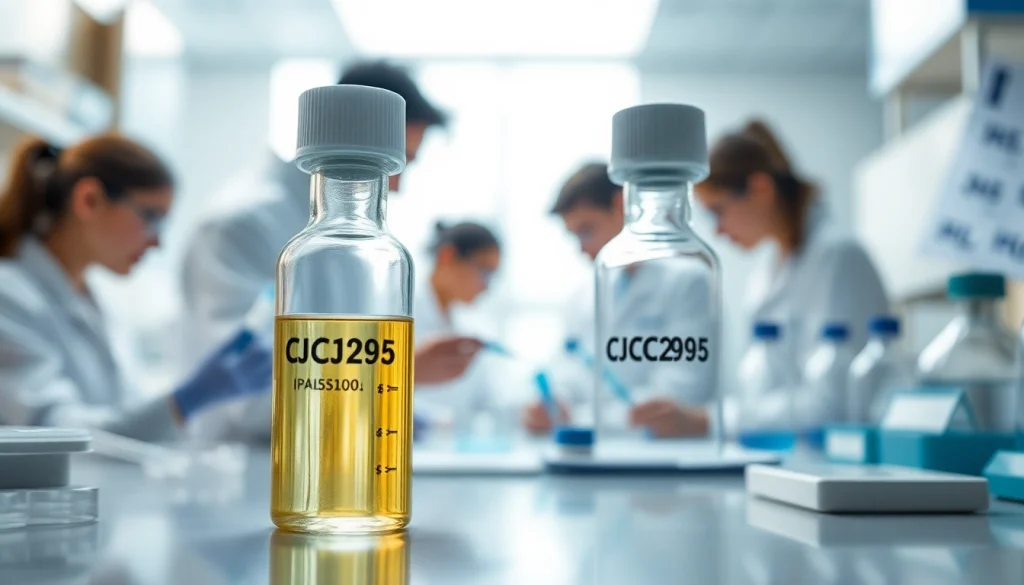
Comparing TB-500 with other research peptides reveals distinct advantages and specialized roles. While substances like BPC-157 also promote healing, TB-500 excels in enhancing cellular migration and granulation tissue formation. Other peptides may focus on hormone regulation, such as GHRP-6 or CJC-1295, which could influence growth factors but may not directly promote tissue regeneration as aggressively as TB-500.
Choosing the Right Peptide for Your Research Needs
Selecting the appropriate peptide for research entails assessing the specific goals and desired outcomes. If the objective is rapid tissue healing, TB-500 would be a prime candidate. For metabolic enhancement, hormones like GHRP-6 might be better suited. It’s important to align the peptide choice with the intended application while also considering safety and compliance aspects.
Case Studies on Peptide Usage
Real-world case studies have documented the application of TB-500 across various scenarios. One notable example involved a professional athlete who utilized TB-500 after sustaining a severe muscle tear. Following a regimen incorporating TB-500, the athlete reported a significantly reduced recovery time, enabling a return to competitive play ahead of schedule. Such instances underscore the peptide’s potential in enhancing recovery timelines.
Future Directions in Peptide Research
Innovations in Peptide Synthesis
The field of peptide research is on the cusp of significant innovations, particularly in peptide synthesis techniques. Advances in solid-phase peptide synthesis (SPPS) and novel purification methods may enhance the efficiency and purity of peptide production. These innovations are poised to increase the availability of high-quality peptides, facilitating more extensive research and innovative applications in medicine and wellness.
Potential New Applications for TB-500
As our understanding of TB-500 evolves, the potential applications may extend beyond tissue repair. Current research is probing into its benefits for neuroprotection and even cognitive enhancement, suggesting future therapeutic uses in treating injuries related to nerve damage. Such applications could revolutionize treatment protocols in both sports and clinical medicine.
Ethical Considerations in Peptide Research
The advancement of peptide research comes with ethical considerations regarding human trials and informed consent. Researchers must navigate the landscape carefully to ensure that studies adhere to ethical standards while delivering significant gains in human health. Ongoing discussions aim to address the burgeoning demand for peptides, balancing innovation with patient safety and ethical integrity.
Frequently Asked Questions
What is TB-500 used for?
TB-500 is primarily used for its regenerative properties, aiding in tissue healing and recovery from injuries.
Is TB-500 legal to purchase?
Yes, in many regions, TB-500 can be legally purchased as a research peptide, but ensure you follow local regulations.
How does TB-500 compare to BPC-157?
TB-500 focuses on cellular migration and regeneration, while BPC-157 may offer benefits for healing but works through different pathways.
Can TB-500 be used in humans?
While studies suggest benefits, TB-500 is primarily intended for research purposes. Consult with a professional for specific applications.
What are the side effects of TB-500?
Generally well-tolerated, potential side effects may include mild discomfort at injection sites or transient fatigue. Always consult a healthcare provider for advice.