Understanding Treehouses: History and Evolution
Treehouses have long fascinated people of all ages, serving as whimsical retreats that evoke memories of childhood adventures and play. From simple platforms to luxurious escapes nestled high among the branches, the concept of treehouses has evolved significantly over the years. As we move further into 2026, the increase in interest surrounding eco-tourism and unique lodging experiences has further pushed treehouses into the spotlight. When exploring options, treehouses provide unique insights into modern living that harmonises with nature.
The Origins of Treehouses
The history of treehouses dates back centuries. Initially, they served practical purposes, such as providing safety from predators or offering vantage points for hunting. Ancient civilisations in the Mediterranean and Asia constructed treehouses for both habitation and storage. These early structures were simple, utilising local materials and designed primarily for functionality.
How Treehouses Have Evolved Over Time
As societies progressed, the design and purpose of treehouses transformed. In the 19th century, treehouses became associated with childhood imagination, often featured in literature and art as symbols of freedom and adventure. By the 20th century, architect Pete Nelson popularised modern treehouses, turning them into intricate, whimsical structures that promote leisure and creativity.
Modern Trends in Treehouse Design
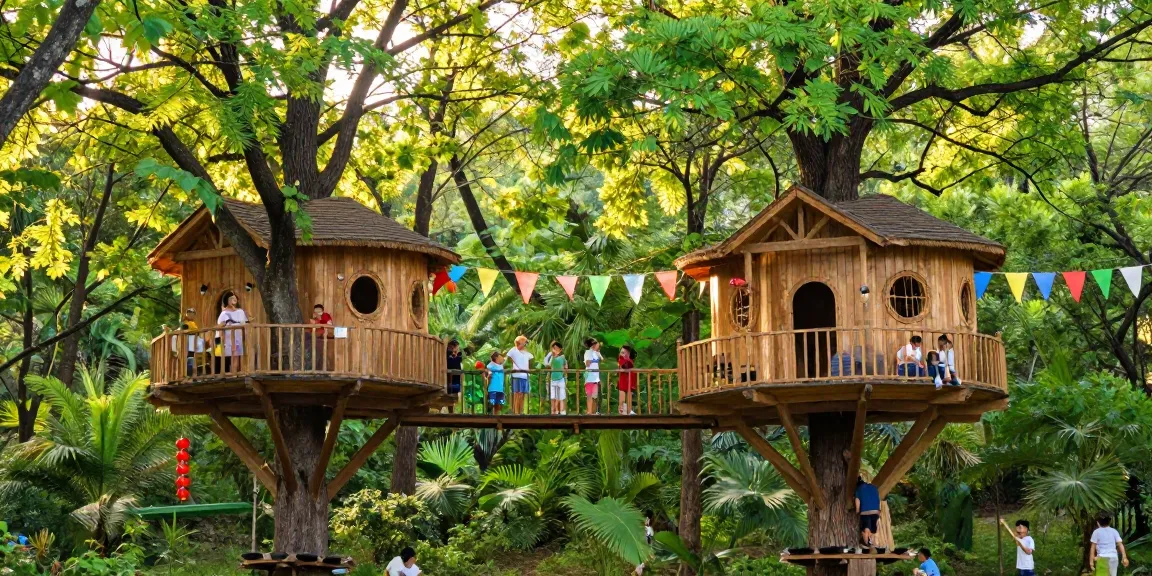
Today’s treehouses reflect a blend of creativity, architecture, and sustainability. Innovative designs incorporate eco-friendly materials and aesthetic elements that complement their natural surroundings. Furthermore, the integration of technology has resulted in treehouses equipped with modern amenities, while still maintaining their rustic charm. From family retreats to luxurious getaways, contemporary treehouses cater to a wide range of preferences.
Benefits of Treehouses: More Than Just a Place to Stay
Treehouses offer much more than just unique lodging; they provide opportunities for adventure, relaxation, and bonding. Whether you are spending a night away from home or building your own, the benefits of treehouses are numerous.
Enhancing Family Bonding and Experiences
One of the primary advantages of staying in a treehouse is the creation of memorable family experiences. It encourages families to disconnect from technology and reconnect with each other while enjoying the serenity of nature. Activities such as stargazing from a treehouse deck or storytelling around a fire pit can foster deeper connections among family members.
Connecting with Nature through Treehouses
Treehouses allow individuals to immerse themselves in the natural world. Elevated above the ground, they offer stunning views and a bird’s-eye perspective of the surrounding landscape. The soothing sounds of rustling leaves and chirping birds create a tranquil escape that can significantly reduce stress levels and enhance mental well-being.
Boosting Creativity and Imagination in Kids
For children, treehouses serve as a sanctuary for imagination. They transform ordinary play into extraordinary adventures, paving the way for creative exploration. A treehouse can become a pirate ship, a castle, or anything else a child can dream up, thereby fostering creativity that extends beyond just playtime.
Building Your Dream Treehouse: Key Considerations
Constructing a treehouse can be a rewarding project that involves various considerations. From location to design elements, understanding these factors will ensure a successful build.
Choosing the Right Location and Tree
Selecting the right tree is crucial for stability and safety. Ideal trees for treehouses include sturdy species such as oak, fir, or pine. It's also important to evaluate the surrounding environment, ensuring the location offers adequate sunlight and ventilation while considering potential hazards such as falling branches.
Materials and Design Strategies for Durability
Using high-quality, weather-resistant materials is essential for the longevity of a treehouse. Cedar and redwood are popular choices, as they resist decay and insect damage. Additionally, incorporating elements like metal brackets can enhance stability. It’s advisable to design a treehouse that minimally impacts the tree’s growth, using techniques that allow the tree to continue thriving.
Safety Standards and Regulations to Follow
Building a treehouse often involves adhering to local building codes and safety regulations. It’s important to consult with local authorities to ensure compliance, as well as to conduct regular safety inspections once the treehouse is constructed. This includes ensuring ladders, railings, and any additional features meet safety standards.
Treehouse Rentals: A Growing Trend in Travel
The rise of treehouse rentals has become a popular trend in the travel industry, appealing to those seeking unique getaway experiences. These accommodations range from luxury options to rustic retreats, each offering something distinct for visitors.
Popular Destinations for Treehouse Getaways
Treehouse rentals are available across the globe, with scenic locations in the United States offering stunning backdrops for your stay. Destinations like the Lake Tahoe area, the Smoky Mountains, and even Southern Oregon's stunning landscapes feature treehouses that cater to diverse tastes.
What to Expect from Treehouse Accommodations
When renting a treehouse, guests can anticipate a variety of features depending on the style of the treehouse. Many come equipped with kitchens, bathrooms, and beautiful outdoor spaces. Some offer luxurious amenities such as hot tubs and gourmet kitchens, while others focus on a more minimalist approach rooted in nature.
Luxury vs. Budget Treehouse Experiences
Treehouse experiences vary significantly in price. Luxury treehouses may offer high-end finishes and additional services, making them ideal for romantic getaways or special occasions. On the other hand, budget-friendly options often provide a more rustic experience, catering to adventurous families or individuals looking to immerse themselves in nature without breaking the bank.
The Future of Treehouses: Predictions for 2026 and Beyond
The future of treehouses looks promising as more individuals seek sustainable living solutions and unique experiences. The next few years will likely see continued innovation and growth in this niche market.
Innovative Designs and Sustainable Practices
Innovation in treehouse design is expected to advance further, with architects exploring modular structures that incorporate sustainable materials. Utilising renewable resources and green building practices will likely become standard in the construction of new treehouses, appealing to the eco-conscious traveller.
The Role of Technology in Treehouse Living
As technology becomes increasingly integrated into our everyday lives, treehouses are also adapting. Future designs may incorporate smart home technologies, including energy-efficient appliances, solar panels, and automated systems that enhance the living experience while maintaining a connection to nature.
Treehouses as Community Spaces and Retreats
In addition to serving as private getaways, treehouses may evolve into community spaces that encourage group retreats or meditation workshops. This adaptability highlights their potential as unique venues for gatherings that promote wellness, creativity, and leisure, catering to a wide range of audiences.
How Much Does It Cost to Build a Treehouse?
The cost of building a treehouse varies significantly based on size, materials, and professional assistance. A simple DIY treehouse might range from £2,000 to £5,000, while more elaborate designs can exceed £10,000. It’s essential to budget wisely and assess all costs involved, including permits, materials, and ongoing maintenance.
Is It Legal to Build a Treehouse in Your Backyard?
Legal regulations for treehouse construction differ by region. Some areas may require building permits or adherence to local zoning laws. Before embarking on a project, it’s advisable to check with local authorities to ensure compliance with all regulations and avoid future complications.
How Long Do Treehouses Last?
The longevity of a treehouse depends on the materials used, the quality of construction, and environmental factors. Well-built treehouses using quality materials can last over a decade, while others may require repairs or replacements sooner. Regular maintenance will significantly boost longevity and safety.
What is the Best Treehouse Ever?
Determining the "best" treehouse is subjective and can depend on individual tastes and experiences. However, some treehouses have garnered fame for their unique architecture and stunning locations, such as those at TreeHouse Point in Washington or the Out N About Treesort in Oregon. These locations not only offer remarkable structures but also immersive experiences that connect guests with nature.