
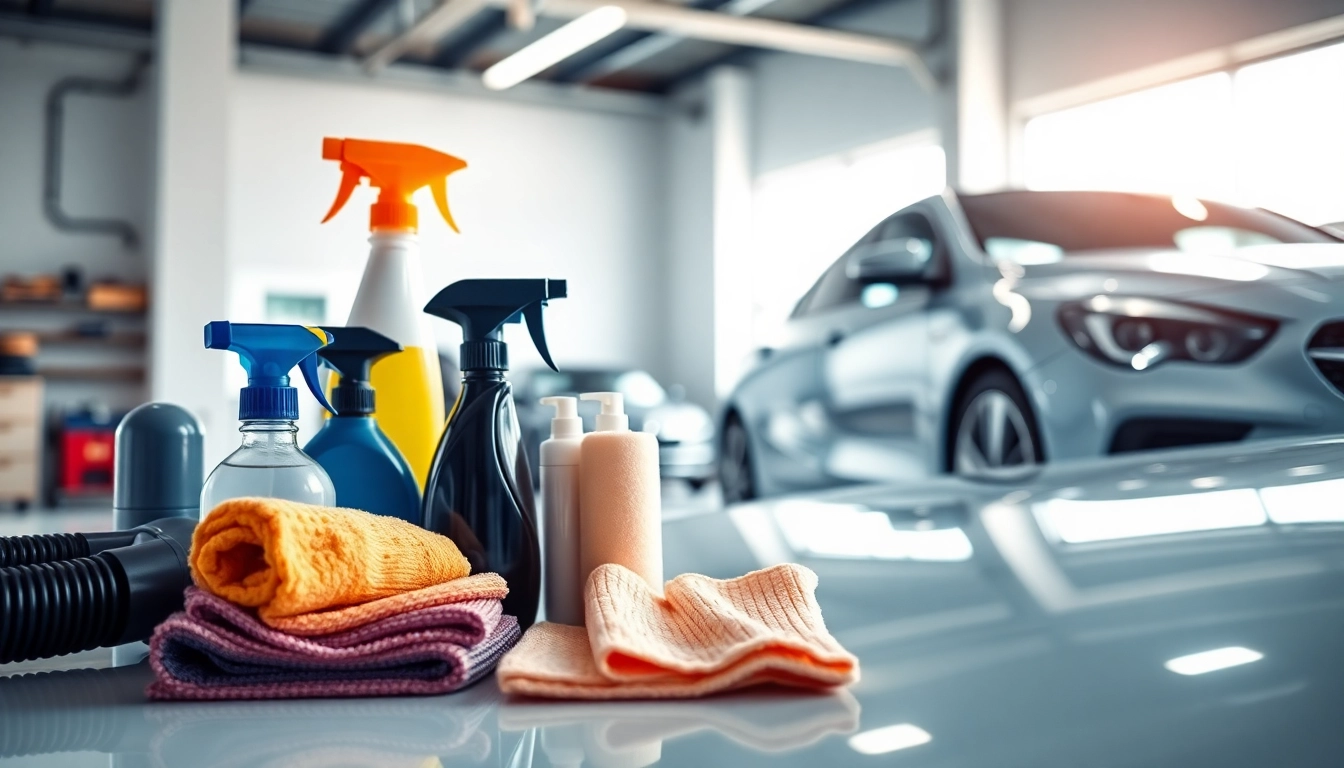
Understanding Car Detailing Essentials
Definition and Purpose of Car Detailing
Car detailing refers to an extensive cleaning, restoration, and finishing of a vehicle to achieve a high level of cleanliness and polish. Unlike a conventional wash, detailing focuses on meticulous attention to detail, involving both the interior and exterior of the car. The goal is to restore the vehicle’s appearance and remove minor imperfections, ensuring everything from the paint to the upholstery is as good as new.
Importance of Choosing the Right Products
The effectiveness of car detailing largely depends on the quality of the products used. High-quality detailing products enhance shine, offer better protection, and improve longevity. Additionally, using the correct products reduces the risk of damaging paint or upholstery, making it crucial for both enthusiasts and professionals to understand what products do I need to detail my car.
Overview of the Car Detailing Process
Detailing typically involves several steps, starting with a thorough wash, followed by a clay bar treatment to remove contaminants. Next, polishing and waxing restore shine and protect the paint. The interior is cleaned with specialized products, with attention to carpets, upholstery, and dashboard details. Each step requires specific products, tools, and techniques to ensure the best possible outcome.
Must-Have Products for Car Exteriors
Proper Cleaning Agents
Using the right cleaning agents is essential for effective exterior detailing. Look for pH-balanced car wash soaps that are designed to lift dirt without stripping protective coatings. These soaps help maintain the integrity of the wax or sealant previously applied. Additionally, specialized products for tires, wheels, and glass are vital for a complete detail. These products should be powerful enough to remove contaminants while remaining gentle on surfaces.
Tools for Washing and Drying
A good detailing wash starts with quality tools. Use a microfiber wash mitt or sponge to prevent scratches during the washing process. Dual-bucket washing systems help avoid contaminating the wash water, ensuring that dirt is kept to a minimum. For drying, microfiber towels or chamois are ideal; they absorb water efficiently and prevent streaks. It's important to avoid using old t-shirts or paper towels, as this might inadvertently cause scratches.
Protection Products (Waxes and Sealants)
Protection is a key aspect of car detailing. After cleaning and polishing, applying a wax or sealant protects the paint. Waxes provide a warm, glossy finish and are usually made from natural carnauba wax. Sealants, on the other hand, offer extended durability with a more synthetic composition. Depending on personal preference, one might choose between these products based on their desired level of shine, durability, and ease of application.
Essential Products for Car Interiors
Interior Cleaning Supplies
Interior cleaning supplies include all-purpose cleaners, upholstery cleaner, and glass cleaner. It’s vital to choose non-toxic products, especially if children or pets frequently use the vehicle. All-purpose cleaners can handle surfaces like the dashboard and door panels, while specialized cleaners are recommended for fabrics and leather to avoid damage and ensure thorough cleaning.
Tools for Upholstery and Flooring
Detailing the interior requires specific tools tailored for upholstery and carpet cleaning. A strong vacuum cleaner with attachments for reaching tricky spots is essential. For deeper cleaning, an extractor or steam cleaner can effectively remove dirt and stains. Brushes of varying stiffness are also useful for agitating dirt in carpets and fabrics without causing wear.
Finishing Touches: Conditioners and Protectants
Once cleaned, applying conditioners or protectants helps maintain and enhance the appearance of interior materials. Leather conditioners should be used to prevent cracking while keeping seats supple. For vinyl and plastic surfaces, dressing products can restore shine and provide UV protection, extending the life of these materials.
Choosing the Right Tools for Car Detailing
Types of Brushes and Applicators
Different brushes serve various purposes in car detailing. Soft-bristled brushes are perfect for critical areas like paint surfaces, while firmer brushes work well on tires and wheels. Applicators are equally important; foam applicators work well for wax application, while microfiber applicators prevent scratches and ensure even distribution of products.
The Importance of Microfiber Cloths
Microfiber cloths are indispensable in detailing. Their fine strands trap dust and dirt, allowing for clean scrubbing without scratching surfaces. They can be used for drying, applying wax, and buffing. It’s crucial to have several dedicated microfiber cloths for different tasks to avoid cross-contamination.
Understanding Specialty Tools
Specialty tools can significantly ease the detailing process. Tools like detailing brushes are designed to clean intricate parts of the vehicle, such as vents or grilles. Clay bars help eliminate surface contaminants. Investing in these products enhances the detailing experience and helps achieve professional results.
Best Practices for Maintaining Your Detailing Supplies
Storing Your Products Effectively
Proper storage of detailing products ensures their longevity and effectiveness. Store products in a cool, dry place and keep them sealed when not in use to prevent evaporation. Labeling containers and keeping frequently used items within reach can also make the detailing process more efficient.
Regular Maintenance of Tools
To extend the life of your detailing tools, they should be cleaned and maintained regularly. Rinse microfiber towels after each use and wash them periodically to remove residues. Brushes should be cleaned and dried to avoid mold or deterioration, ensuring they remain effective for future detailing tasks.
Tips to Extend the Life of Your Products
To maximize the lifespan of detailing products, always follow manufacturer instructions regarding application and storage. Use products within their expiry date, and avoid exposing them to direct sunlight or temperature extremes. Regularly checking for signs of degradation or contamination can also help maintain their effectiveness.
Frequently Asked Questions
1. What are the essential products for detailing my car?
Essential products include car wash soap, microfiber cloths, tire cleaner, glass cleaner, wax, and interior cleaners. Investing in quality items will improve the detailing result.
2. Can I detail my car without professional products?
Yes, you can detail your car with DIY products like vinegar for glass and baking soda for upholstery. However, specific products may yield better results.
3. How often should I detail my car?
It’s recommended to detail your car every three to six months, but frequency may vary based on usage and environmental factors. Frequent washes help maintain the finish.
4. What tools do I need for interior car detailing?
You'll need a vacuum, upholstery cleaner, microfiber cloths, brushes, and protectants. These tools together ensure a thorough clean and protection of surfaces.
5. Are DIY car detailing products effective?
DIY car detailing products can be effective, but results may vary compared to commercial products specifically formulated for automotive cleaning and detailing.