Understanding the Importance of Screen-Free Play
In today’s gadget-driven world, children are exposed to screens from an early age. Television, tablets, and smartphones dominate their playtime, leading to concerns about the effects on their physical and mental well-being. Emphasizing screen-free play can serve as a counterbalance, fostering creativity, social skills, and physical development. learn more today about how screen-free toys can boost your child’s imaginative play and overall well-being.
The Benefits of Reducing Screen Time
Limiting screen time has numerous benefits for children. Research indicates that excessive screen exposure can lead to problematic behaviors, attention issues, and reduced physical activity. By reducing screen time, parents can encourage healthier habits:
- Enhanced Creativity: With fewer distractions, children can use their imaginations more freely, inventing stories and scenarios typically driven by screens.
- Better Physical Health: More time for physical activities leads to improved health. Children need active play to develop strength and coordination.
- Improved Social Skills: By engaging in screen-free activities, children learn to communicate, share, and collaborate with peers.
Developing Creativity through Imaginative Play
Imaginative play is crucial for brain development, enabling children to explore their creativity and problem-solving abilities. This kind of play encourages storytelling and role-playing, activities that are fundamental to cognitive growth. Here are the key areas where imaginative play impacts development:
- Cognitive Growth: Engaging in creative scenarios enhances critical thinking and decision-making skills.
- Emotional Development: Through role-play, children can explore different emotions and situations, aiding in empathy and emotional intelligence.
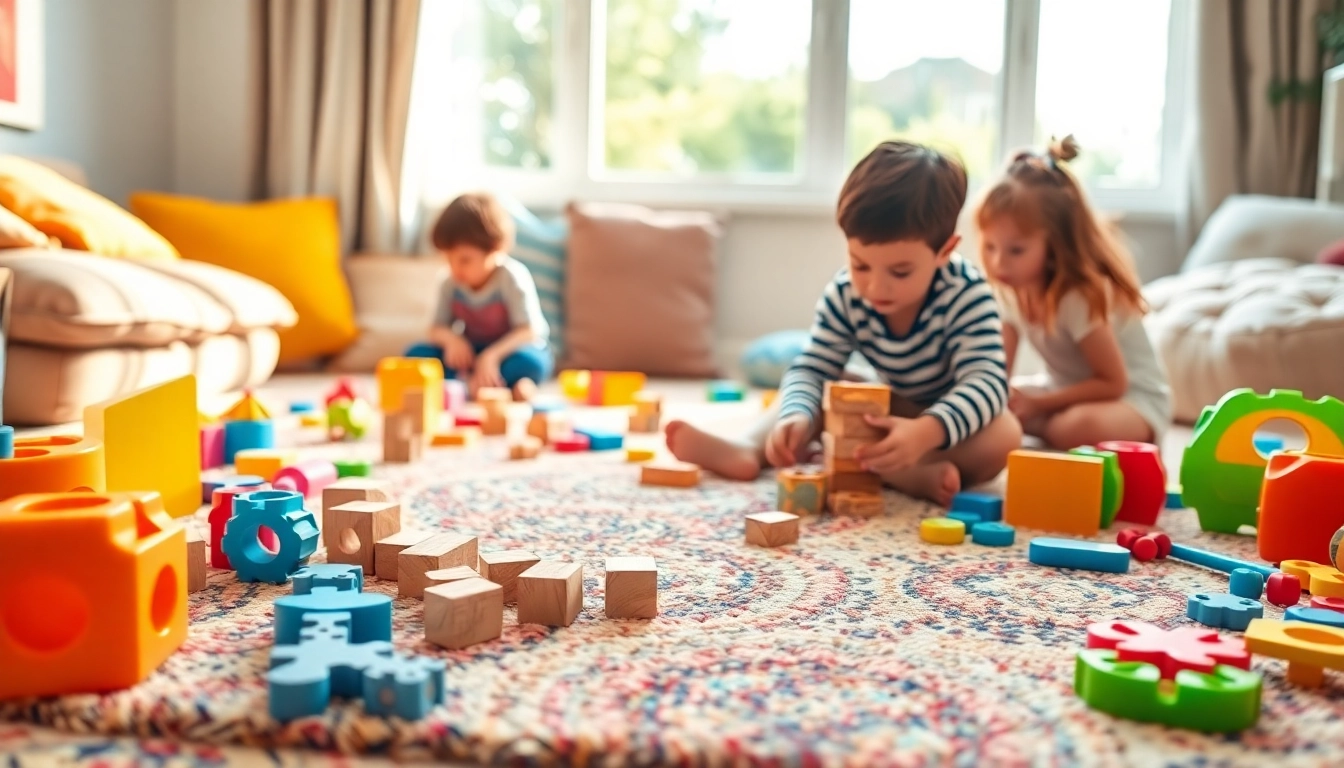
- Social Interaction: Group play fosters teamwork and communication, skills essential for personal and professional success.
Creating a Screen-Free Environment
To promote screen-free play, it's essential to create an engaging environment:
- Designate Play Zones: Designate specific areas in your home for creative activities to stimulate play without screens.
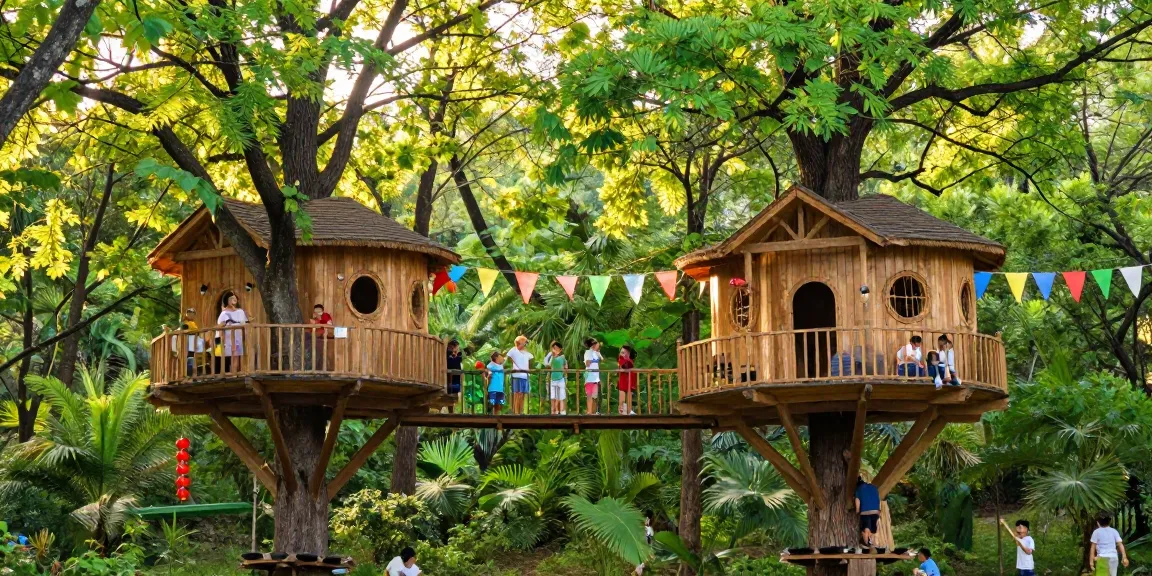
- Incorporate Nature: Outdoor play areas encourage physical activity and inspire imaginative games in a natural setting.
- Limit Screen Access: Encourage a schedule that designates time for non-screen activities and stick to it.
Top Categories of Screen-Free Toys
Building and Construction Toys
Building toys spark creativity, critical thinking, and fine motor skills in children. Options like building blocks, magnetic tiles, and construction sets enable kids to experiment with design and architecture:
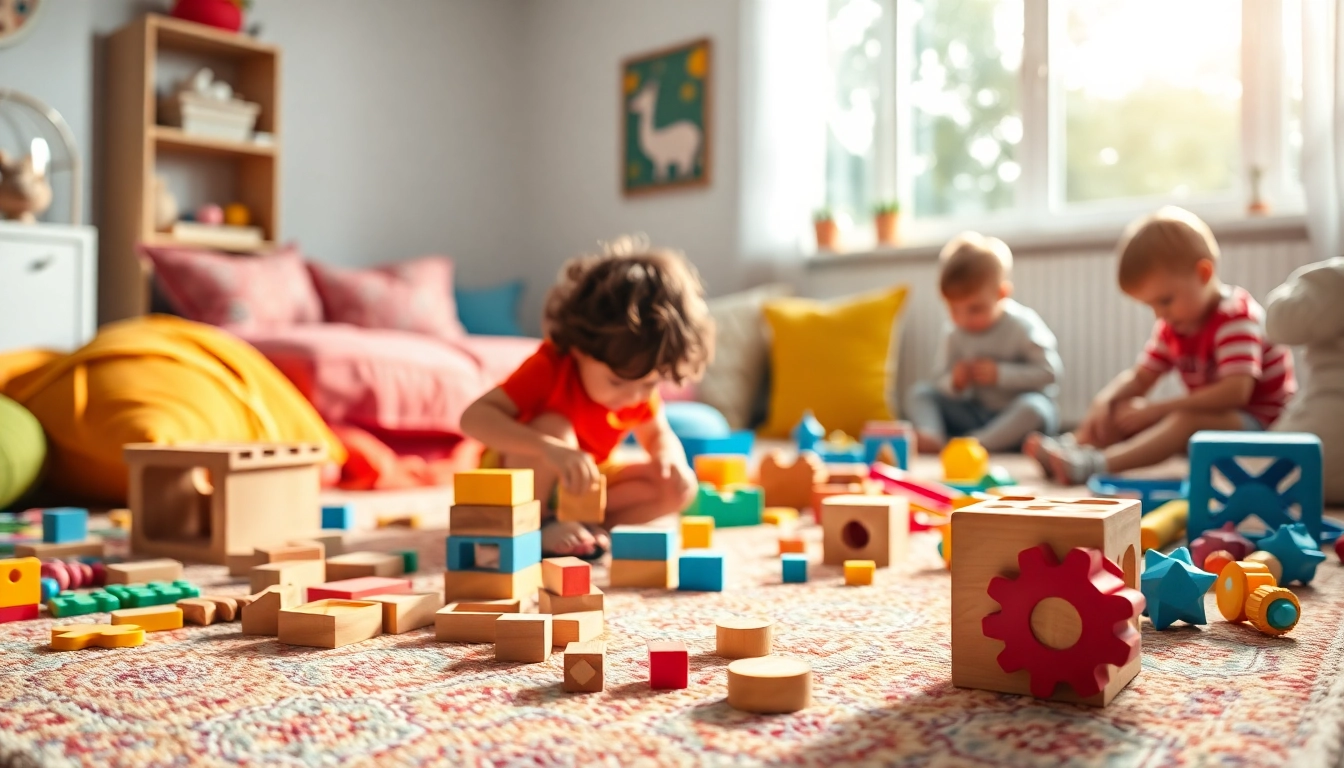
- Blocks: Traditional wooden blocks can help children understand balance and gravity while encouraging creativity.
- Magnetic Tiles: These colorful pieces allow for limitless designs that enhance spatial awareness and problem-solving skills.
- Construction Kits: Kits with various components encourage children to follow instructions or create their own designs.
Arts and Crafts Supplies
Arts and crafts materials are fundamental for self-expression. They encourage children to experiment with colors, textures, and techniques, providing an outlet for their thoughts and feelings. Essential supplies include:
- Art Supplies: Crayons, paints, markers, and colored pencils help children explore artistic skills.
- Craft Kits: These can range from DIY masks to scrapbooking, giving structure to creative fun.
- Natural Materials: Items like stones, sticks, and leaves can be used to craft unique pieces, promoting awareness of the environment.
Board Games and Puzzles
Board games and puzzles combine fun with education, helping children develop logic and strategic thinking skills:
- Classic Board Games: Games such as Monopoly or Scrabble encourage participation and strategic thinking.
- Cooperative Games: Games where players work together teach teamwork and communication without competition.
- Jigsaw Puzzles: These enhance spatial reasoning, fine motor skills, and patience.
How to Choose the Right Toys for Your Child
Age-Appropriate Selections
Choosing toys suitable for your child's age is critical. Select toys that challenge them without causing frustration. Age-appropriate toys foster engagement and support developmental milestones:
- Infants: Soft, colorful toys that can be grasped and explored through senses.
- Toddlers: Interactive toys that encourage movement and exploration, like shape sorters and stackers.
- Preschoolers: Begin introducing more complex items like building sets or art supplies that inspire creativity.
Safety Considerations
When selecting toys, safety is paramount. Always look for age-appropriate labeling, and avoid toys with small parts for younger children to prevent choking hazards:
- Material Safety: Ensure that toys are made of non-toxic materials and meet safety standards.
- Durability: Select sturdy toys that can withstand rough play to avoid accidents.
- Supervision: Even with safe toys, supervision is essential to ensure safe play.
Engagement and Interest Levels
To maximize playtime, consider your child's interests and current engagements. Combining their interests with the right resources can create exciting opportunities for development:
- Learn Through Play: Choose toys that align with your child's hobbies to keep them engaged and motivated.
- Invite Exploration: Encourage your child to try new toys and activities outside of their comfort zone to broaden their interests.
- Participate Together: Engaging in play with your child enhances their interest and encourages shared bonding.
Activities and Games to Maximize Playtime
Creative Arts and Crafts Projects
Encouraging your children to express themselves through arts and crafts can be a rewarding experience. Projects can range from painting to more complex activities like building models or creating collages:
- Themed Craft Days: Choose a theme (like nature, seasons, etc.) and have your children create related art projects.
- Collaborative Art: Encourage group projects where kids can work together, fostering teamwork and sharing.
- Seasonal Decorations: Crafting seasonal decorations can combine creativity with learning about different holidays.
Interactive Group Activities
Creating an atmosphere where children can engage in group activities builds relationships and soft skills:
- Outdoor Games: Activities like scavenger hunts can promote teamwork while incorporating physical activity.
- Host a Game Night: Organize board game nights with friends or family to instill healthy competition and collaboration.
- Role-Playing Scenarios: Involve children in creative group scenarios where they can take on different roles and learn empathy.
Guided Imagination Play Scenarios
Guided imagination play allows children to step into their creative worlds with a narrative framework. Parents can facilitate this by:
- Storytelling: Start a story and allow children to contribute, enhancing their creative thinking.
- Character Development: Encourage your children to create and act out characters, enhancing their imaginative play skills.
- Scenario Creation: Set up play scenarios with props and guide children in developing their plots and resolutions.
FAQ on Screen-Free Toys and Activities
What age group benefits most from screen-free toys?
Screen-free toys benefit all age groups, especially younger children, fostering essential developmental skills early on.
How can I encourage my child to play without screens?
Set aside dedicated playtime, provide engaging toys, and actively participate in their imaginative activities to encourage screen-free play.
Are educational screen-free toys available?
Yes, many screen-free toys are designed to be educational, enhancing skills like problem-solving and creativity in a tangible way.
How important is variety in screen-free toys?
Variety is crucial as it keeps playtime fresh and exciting, encouraging different skills and interests, and preventing boredom.
Can screen-free toys improve social skills?
Absolutely! Playing with others fosters teamwork, communication, and social interactions essential for personal development.