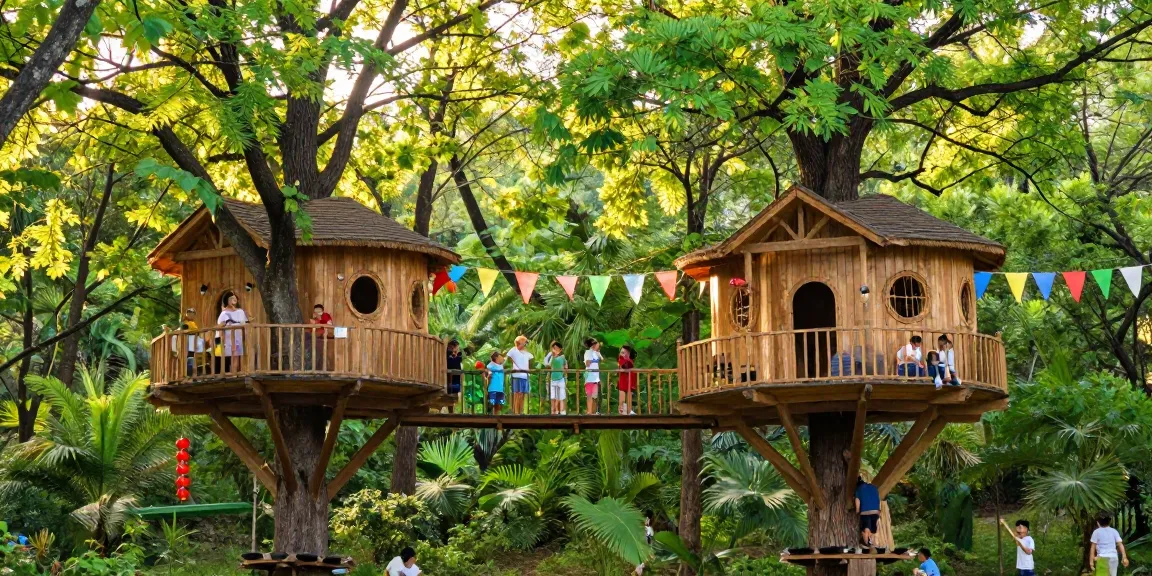

Understanding the Importance of Screen-Free Play
In a world where screens dominate our daily lives, prioritizing screen-free play for children has become increasingly essential. The benefits of engaging kids in activities that do not involve screens are vast and affect their development in numerous ways. For parents and caregivers seeking effective methods to keep children entertained without digital distractions, it is critical to understand the significance of screen-free play and its advantages.
Benefits of Limiting Screen Time
Limiting screen time can lead to a myriad of positive outcomes for children. Research indicates that prolonged exposure to screens can contribute to issues such as attention difficulties, sleep problems, and decreased physical activity. By opting for screen-free play, parents can foster an environment that encourages movement, creativity, and engagement with the real world. This, in turn, helps improve focus and emotional regulation in children.
Cognitive and Emotional Growth
Creative play allows children to engage in imaginative thinking and problem-solving. As they create stories or construct buildings with blocks, they develop important cognitive skills such as critical thinking, spatial awareness, and innovation. Furthermore, screen-free activities encourage emotional growth; as children navigate their imaginative realms and interact with peers, they learn empathy, cooperation, and conflict resolution. A robust body of research supports the notion that children who participate in tangible play experience improved emotional resilience.
Encouraging Social Interaction
Screen-free play promotes social interaction, as children are more likely to engage with their peers or caregivers while participating in physical activities or playing games. This form of interaction is crucial for developing social skills. When children collaborate on projects like building fortresses from sheets and cushions or engaging in role-play scenarios, they learn to communicate, negotiate, and share ideas effectively. These instances of real-world interaction are vital in nurturing a child's ability to forge relationships and navigate social settings.
Creative Toy Options for Various Age Groups
Choosing the right screen-free toys depends on the child's age and developmental stage. Various toy options can stimulate creativity, problem-solving, and social skills across different age groups.
Toys for Toddlers
Toddlers thrive on exploration and sensory experiences, making toys that are safe for mouthing and manipulation ideal for this age group. Building blocks, shape sorters, and textured toys can engage their senses and enhance their motor skills. For instance, soft blocks can be stacked, knocked down, and even used in simple role-play scenarios, allowing toddlers to experiment with balance and causality.
Engaging Options for Preschoolers
Preschoolers exhibit a growing curiosity and desire for imaginative play. Consider art supplies like crayons, markers, and clay to stimulate their creativity. Puzzles and simple board games can also cater to their developing problem-solving skills. A classic example is a pretend kitchen set, which encourages role-playing and offers opportunities for socialization as children take on different roles and scenarios while engaging their imagination.
Creative Challenges for Older Kids
As children grow older, they seek more complex and thought-provoking toys. Arts and crafts kits, science experiment sets, and comprehensive building kits can keep them engaged while fostering critical thinking. For example, robotics kits can introduce older kids to engineering and programming basics, turning playtime into a stimulating learning experience. These challenges not only keep them busy but also lay the groundwork for future academic pursuits.
How to Choose the Right Screen-Free Toys
Selecting appropriate screen-free toys requires careful consideration to ensure they meet safety, quality, and developmental needs.
Assessing Safety and Quality
Safety should be the primary concern when choosing toys for any child. Look for certifications that indicate adherence to safety standards, especially for younger children who may put toys in their mouths. Quality materials, such as non-toxic plastics or sustainably sourced wood, enhance longevity and ensure safer play. Researching reviews and seeking recommendations can guide parents towards reputable brands that prioritize safety.
Considering Educational Value
Beyond entertainment, toys should have educational value. Opt for options that promote learning through play, such as those that build literacy, numeracy, or social skills. Educational toys should encourage exploration and whimsy while still providing a framework for skill development. For example, games that introduce basic math concepts through fun challenges help build foundational skills while ensuring that learning remains engaging.
Matching Toys to Interests and Skills
Each child is unique and may have specific interests that can inform toy selections. Observe what captivates their attention; do they enjoy building, art, role-playing, or problem-solving? Matching toys to these preferences can enhance their engagement. For instance, if a child shows an aptitude for music, consider introducing instruments or sound-making toys to encourage their passion.

Fun Activities Using Screen-Free Toys
Using screen-free toys as the foundation for structured activities can foster creativity and social skills while keeping kids actively engaged.
Imaginative Role-Playing Games
Role-playing games stimulate creativity and are a fantastic way for children to practice social interactions. Setting up a “store” or “restaurant” in the home can encourage children to engage with one another in collaborative ways. They can take turns being the cashier or chef, learning not only about trade and commerce but also developing negotiation and communication skills.
Craft Projects and Artistic Expression
Artistic activities are essential for nurturing creativity in children. Engaging in craft projects, such as making collages, designing greeting cards, or painting rocks, promotes expressive skills. Have supplies ready for impromptu art sessions, encouraging children to express themselves visually while enhancing fine motor skills and overall creativity.
Problem-Solving Through Games and Challenges
Games centered on problem-solving foster critical thinking. Simple puzzles, board games, or building challenges involving everyday materials can encourage children to develop strategies and work through difficulties together. These activities can also inspire teamwork, where children learn to collaborate and contribute to shared goals.
Maintaining Engagement and Variety
To maximize the benefits of screen-free toys, ensuring ongoing engagement is paramount. Keeping the play experience fresh can reignite kids' interest and encourage sustained involvement.
Rotating Toys for Fresh Experiences
One effective strategy is to rotate toys every few weeks. By periodically introducing toys back into the play environment, children are less likely to experience boredom and may view familiar toys in a new light. This technique can re-spark interest in old favorites and encourage exploration of new ways to play.
Involving Kids in Toy Selection
Invite children to provide input on toy selection. This enhances their sense of agency and fosters a deeper connection to the toys they choose. Organizing playdates where children can share toys with friends also encourages socialization and variety in play, as they learn new games and ideas from each other.
Regularly Introducing New Challenges
Setting up new challenges can keep playtime exciting. For instance, implementing themed challenges—like an art project based on animals or constructing a city out of blocks—can stimulate interest while promoting learning. These activities can also provide opportunities for discussion and hands-on exploration, further cementing learning through play.
Frequently Asked Questions
What are the benefits of screen-free toys?
Screen-free toys enhance creativity, social skills, and cognitive development while reducing dependency on screens.
How can I choose the right toys for my child?
Consider your child's interests, safety ratings, and the educational value of the toys when making selections.
Are screen-free toys suitable for all age groups?
Yes, there are screen-free toys designed specifically for toddlers, preschoolers, and older children to cater to different developmental stages.
How do I keep kids engaged with screen-free activities?
Regularly rotate toys, involve children in selections, and introduce challenges to maintain interest and engagement.
What types of activities can we do with screen-free toys?
Activities can range from imaginative role-play to creative crafts and problem-solving games, providing endless fun.
For those interested in learning more about enriching children's play experiences without screens, visit this guide for tips and resources to help keep kids busy creatively. learn more today.